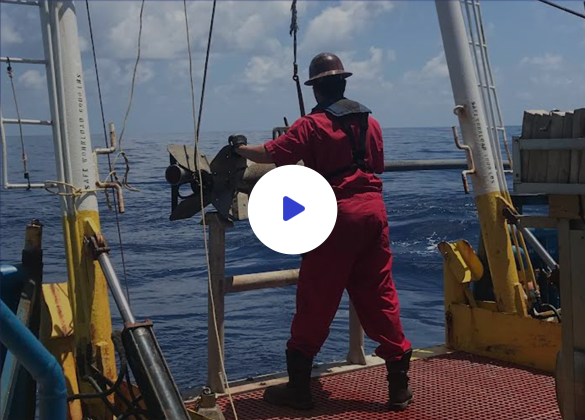
Laboratory testing and data delivery are essential components of any project. With in-house laboratory facilities located worldwide, we provide support wherever your operations take you—onshore or offshore. All of our laboratories are fully accredited and equipped to perform both advanced and routine analyses, ensuring you receive reliable, expert insights precisely when you need them.
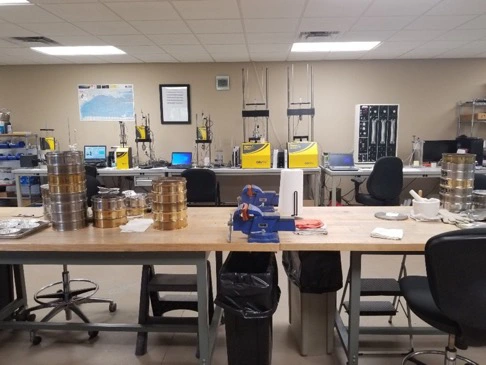
Our Geotechnical Laboratory is designed to deliver high-quality, engineering-focused soil testing, logging, and characterization services that support the evaluation of sediment properties critical to the design of major structures.
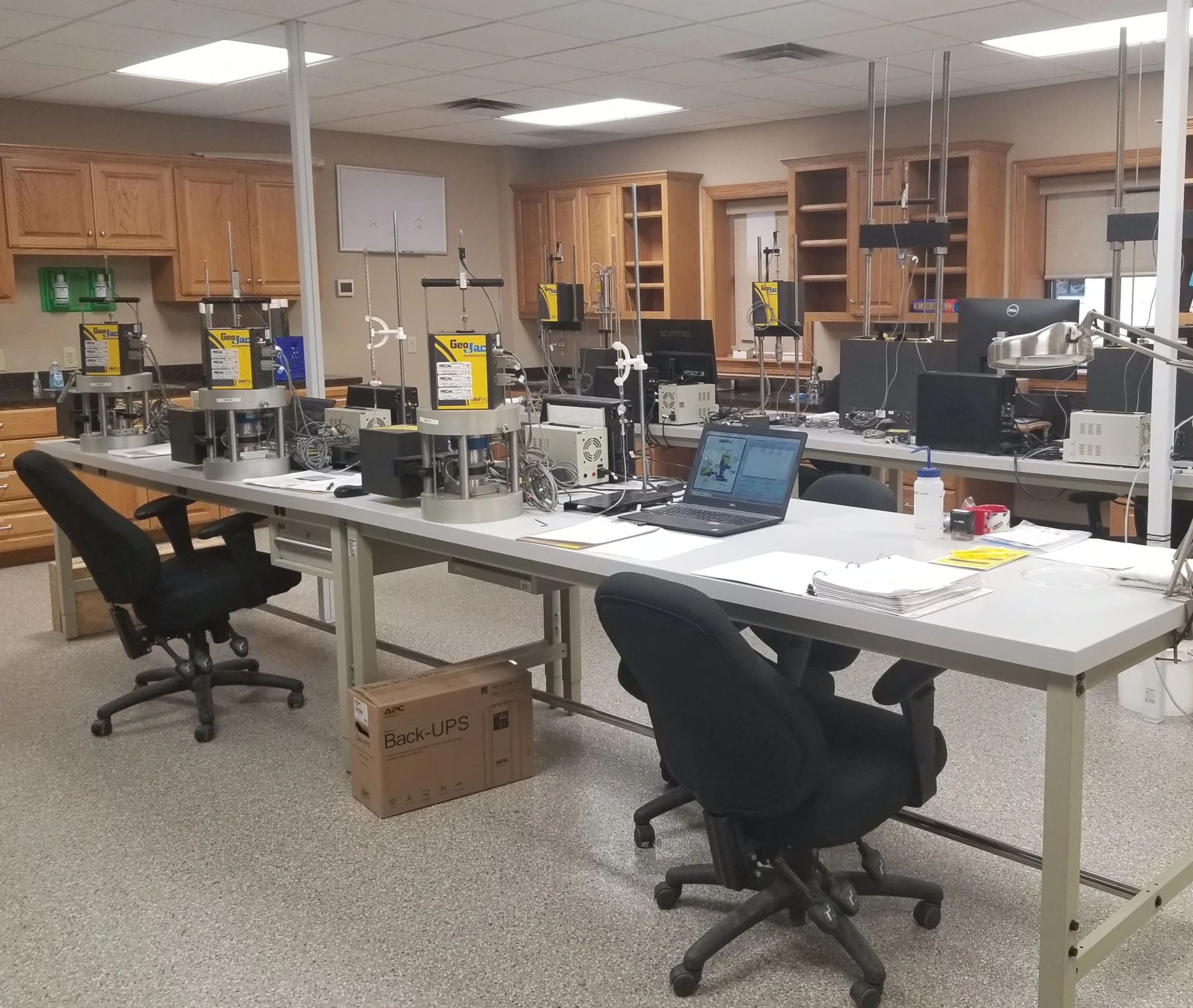
Our laboratory routinely performs the following geotechnical testing:
Atterberg Limits (Plastic Limit, Liquid Limit, and Plasticity Index)
The Atterberg limits are a set of “limits of consistency” of fine-grained soils. In current engineering usage, they are comprised of the plastic limit and the liquid limit. Occasionally, the shrinkage limit is included with the plastic and liquid limits. In most TDI-Brooks projects, the plastic and liquid limits are sufficient for soil characterization. The liquid limit is the water content of a soil at the arbitrarily defined boundary between the semi-liquid and plastic states. The plastic limit is the water content of a soil at the boundary between the plastic and semi-solid states. The plasticity index is the range of water content over which a soil behaves plastically. Numerically, it is the difference between the liquid limit and the plastic limit. Reference ASTM D4318.
Calcium Carbonate Content
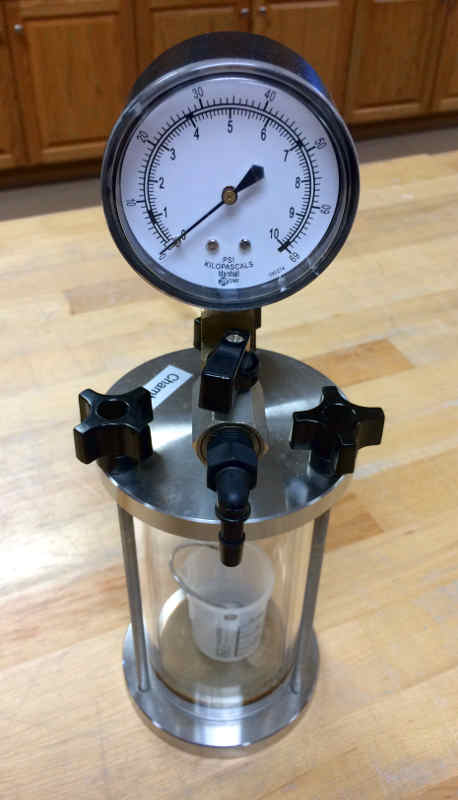
The carbonate content (calcite equivalent) of soil is determined by treating a dried soil specimen with hydrochloric acid in a reactor. Carbon dioxide gas is evolved during the reaction between the acid and carbonate fraction of the specimen. The resulting pressure generated in the closed reactor is proportional to the calcite equivalent of the specimen. This pressure is measured with a suitable pressure gauge that is pre-calibrated with reagent grade calcium carbonate. Reference ASTM D4373.
Core Splitting
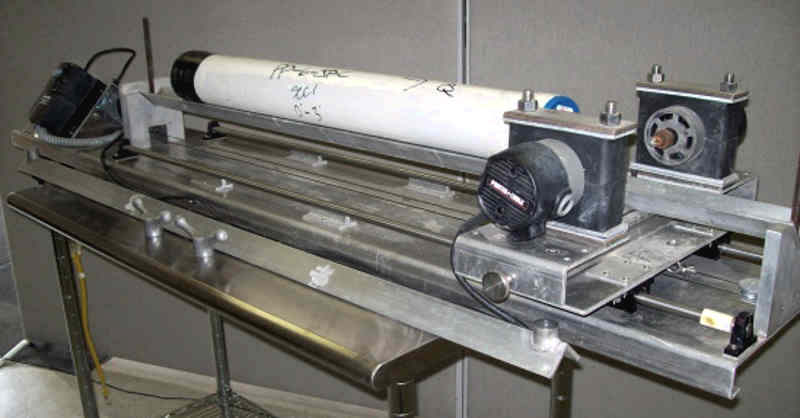
Core splitting is our process of cutting a core section down the long axis and separating the two halves. This exposes a vertical cross section of a core, allowing the examination of sediment layers and geologic features. Often, this allows identification of layers for age dating. This is available for fine-grained sediments with high and medium moisture contents. We do not currently offer services for splitting hard/rock samples. Split cores usually receive High Resolution Photography.
Electrical Resistivity
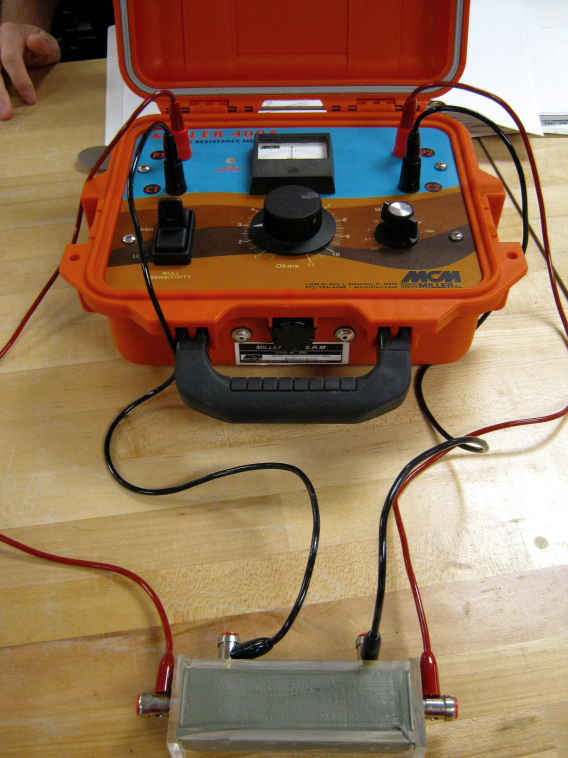
Measurement of sediment electrical resistivity is used for the control of corrosion of buried structures. Electrical resistivity is used both for the estimation of expected corrosion rates and for the design of cathodic protection systems. Resistivity measurements indicate the relative ability of a medium to carry electrical currents. When a metallic structure is immersed in a conductive medium, the ability of the medium to carry current will influence the magnitude of galvanic currents and cathodic protection currents. A soil box with 4 electrodes is used in the lab to conduct this test. Reference ASTM G57.
Grain Size – Hydrometer
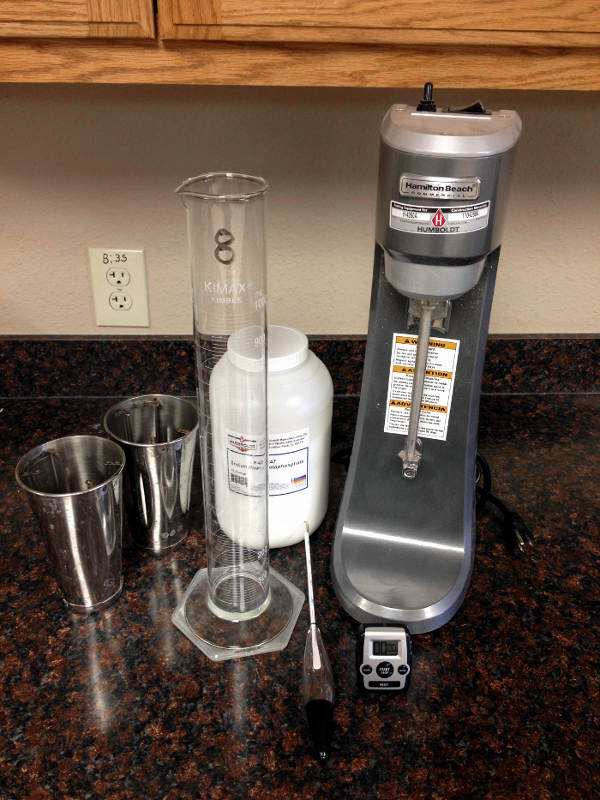
Sediment grain sizes smaller than particles 75 microns can be determined using a sedimentation process. This test is appropriate for marine silts and clays. The particles are initially suspended in solution and then allowed to deposit over time. As they deposit, the density of the solution decreases. The changes in solution density are measured using a hydrometer. The rate at which the particles settle out of suspension can be interpreted to provide grain size distribution, represented by a gradation curve. The gradation curve may also include sieve data generated from the same sample. Reference ASTM D422.
Grain Size – Sieve
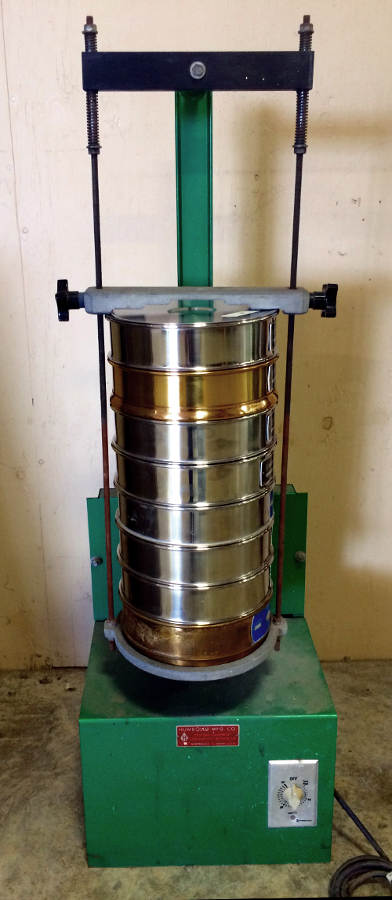
Sediment grain sizes larger than 75 microns can be determined by sieving. A standard sieve set corresponds to specifications in ASTM D422, however, other sieve sizes can be used upon request. The mass of sediment retained on each sieve provides grain size distribution and is plotted on a gradation curve. The gradation curve may also include hydrometer data from the same sample. Reference ASTM D422.
High Resolution Photography
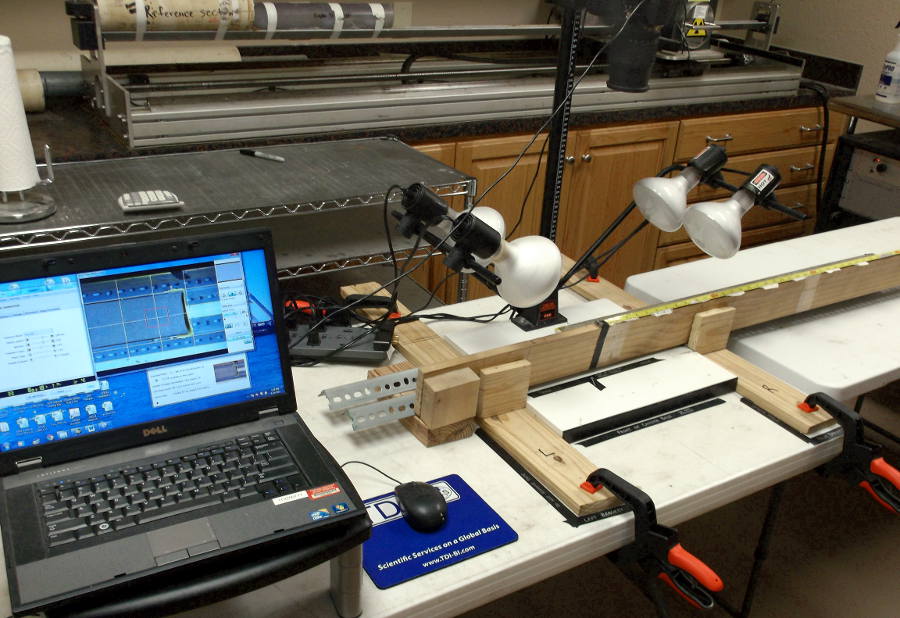
High resolution photography is mostly used in conjunction with Core Splitting. We photograph 10-cm length portions of a core section with a Nikon D90 and merge the photos to generate a single image. These images are typically used by the client for observing geologic characteristics and sedimentology. We can photograph other samples in a high resolution format, but Standard Resolution Photography is also available for documentation and description purposes.
Magnetic Susceptibility
Magnetic susceptibility is a measure of the magnetic behavior of a sediment sample. Magnetic susceptibility measurements provide important information about the composition and properties of materials. In many cases, magnetic susceptibility is done with a multi-sensor core logger. TDI-Brooks can offer this testing separately. Reference Bartington Instruments MS3 Operations Manual.
Miniature Vane Shear
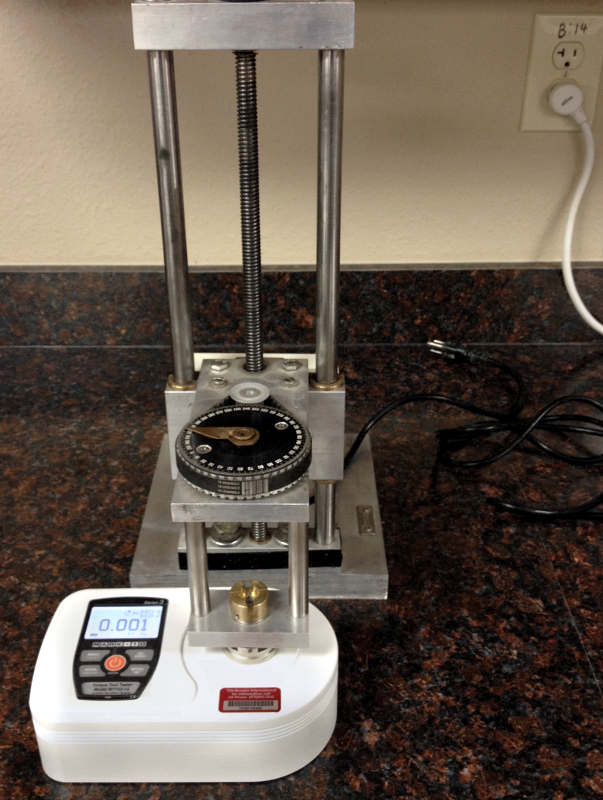
Miniature vane shear testing is performed to determine shear strength in very soft to stiff saturated fine-grained clayey sediments. We use a set of 4 calibrated torsion spring sets combined with a motorized vane shear device to determine strength. Reference ASTM D4648.
Moisture Content
Moisture content is a test to determine how much water is in a sediment sample. It is a ratio of the mass of water to the mass of solids, reported in a percent. Since it is a ratio of water to solids, it can, and often does, exceed 100% in marine samples. Reference ASTM D2216.
Multi-Sensor Core Logging (MSCL)
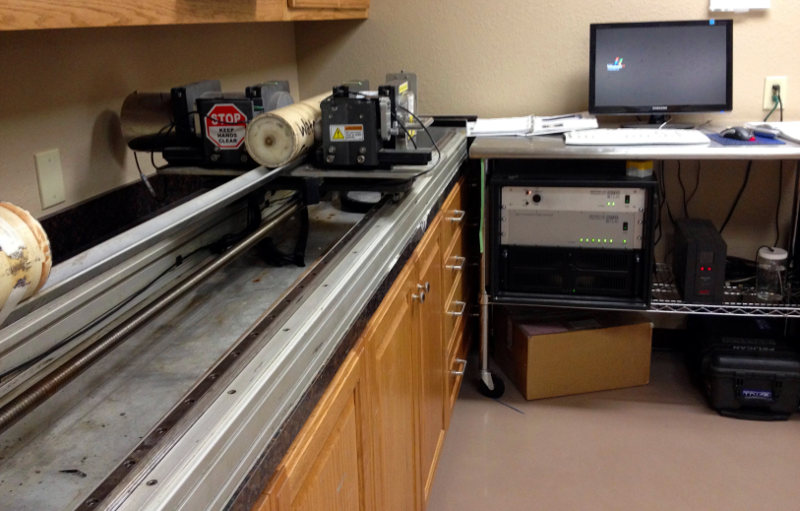
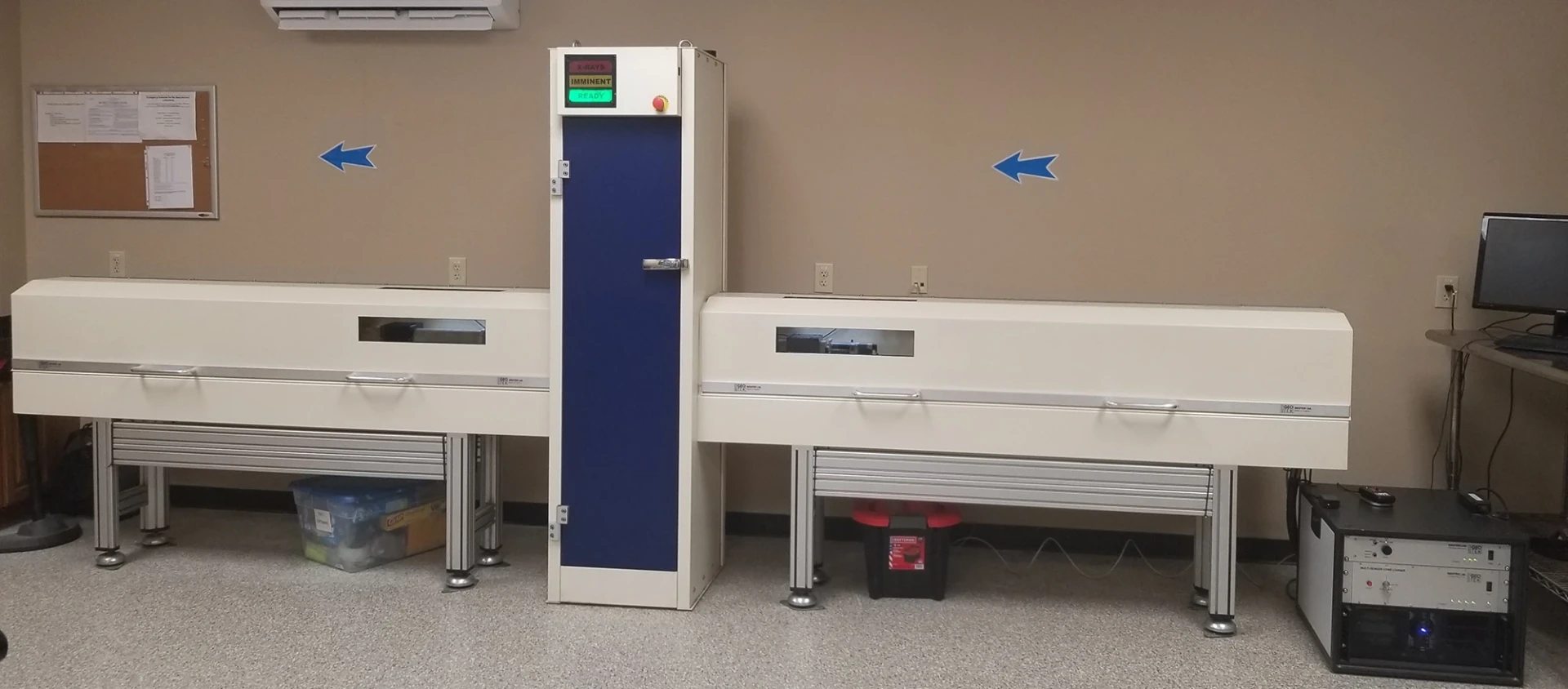
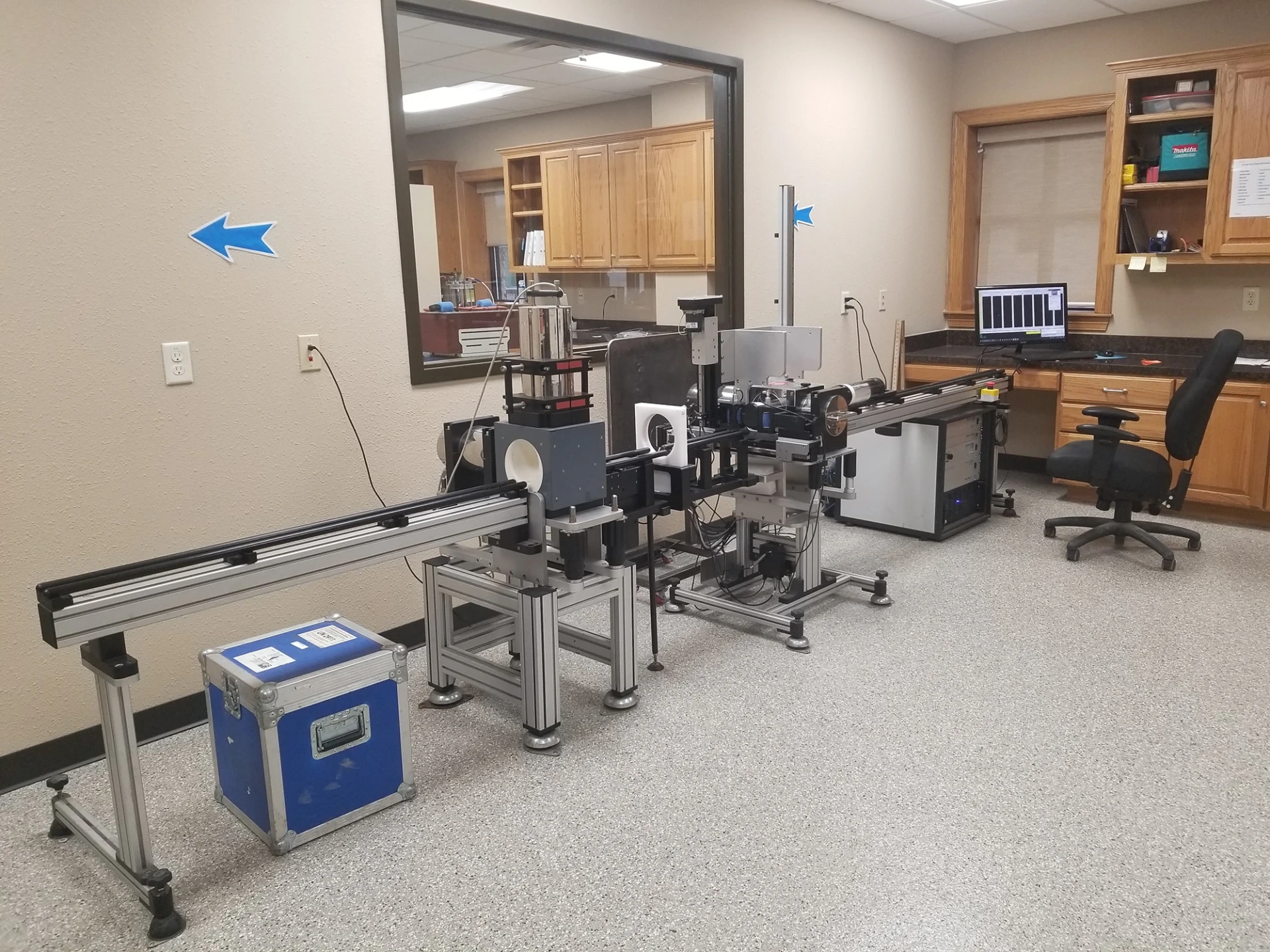
Multi-sensor core logging is a quantitative method to determine geotechnical properties such as bulk density, porosity, void ratios, and water content in sediment cores using a Geotek multi-sensor core logger (MSCL). The MSCL can handle core sections up to 1.5-m long and can sample at intervals of 1-mm or greater and is a non-destructive test.
Percent Sand Determination
Percent sand determination is similar to grain size testing using sieves except that the number of sieves is reduced. A No. 4 sieve is used to separate gravel from the sample. A No. 200 sieve allows all the clay and silt to pass, leaving only the sand fraction in the No. 200 sieve.
pH of Soils
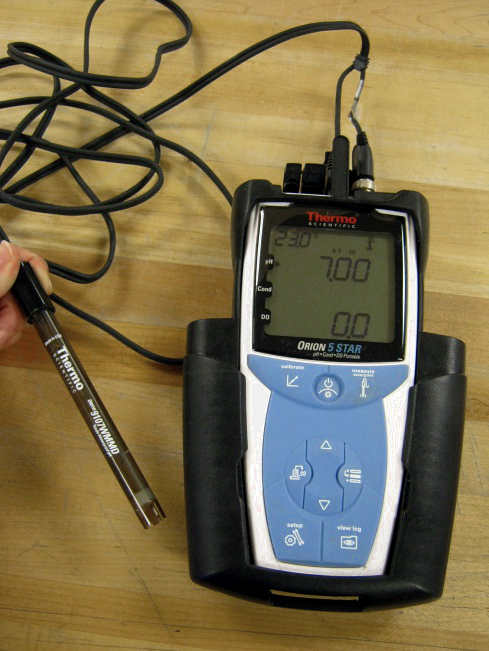
This specific pH of soils test is for uses other than corrosion testing. The test determines the degree of acidity or alkalinity in soil materials suspended in water and a 0.01 M calcium chloride solution. Measurements in both liquids are necessary to fully define the soil’s pH. The measurement of the pH of soils suspended in either water or calcium chloride solution is made with a potentiometer using a pH sensitive electrode system. The potentiometer is calibrated with buffer solutions of known pH. Reference ASTM D4972.
Pocket Penetrometer
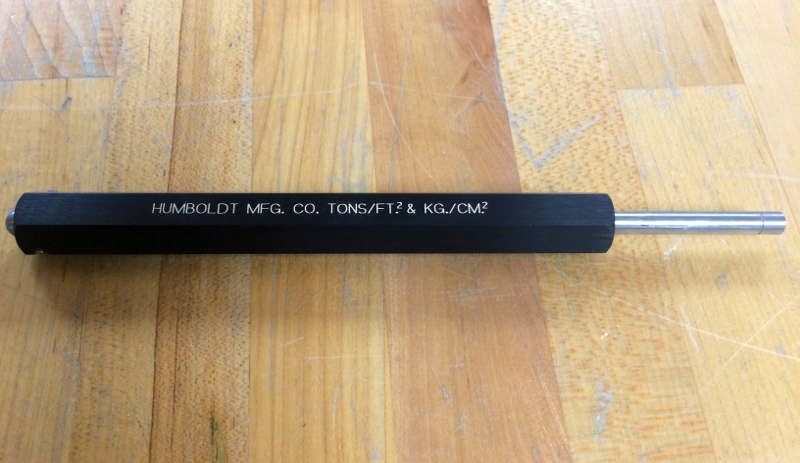
The pocket penetrometer is used to find preliminary soil strength values and is used for classification of cohesive soils. It indicates consistency, shear strength, and approximate unconfined shear strength. The direct-reading scale is in tons per square foot or kilograms per square centimeter. This is typically used for stiffer soils. As a classification tool, it should not replace laboratory testing or field analysis, or be used to produce design data.
Qualitative Physical Description (Munsell Color Description, Soil Type, Foram Content, Water Content, Cohesion)
The qualitative physical description gives a wide array of descriptive information for classification of soils. Color is described with color codes from a Munsell color chart. Soil type is a grain size description characterized as clay, silt, sand, or gravel or a combination of those terms. Foram content, water content, and cohesion are all described relatively with terms such as low, moderate, or high.
Remolded Miniature Vane Shear
Remolded miniature vane shear testing is performed to determine shear strength in very soft to stiff saturated fine-grained clayey sediments. We use a set of 4 calibrated torsion spring sets combined with a motorized vane shear device to determine strength. The procedure is the same as Miniature Vane Shear except the sample is remolded first, breaking down any existing sediment structure. Reference ASTM D4648.
Specific Gravity
Specific gravity is the ratio of the mass of unit volume of soil at a stated temperature to the mass of the same volume of gas-free distilled water at a stated temperature. The specific gravity of a soil is determined by placing a certain mass of dry soil into a calibrated pycnometer and then filling the pycnometer with de-aired, distilled water under vacuum. Knowing the mass of the soil and the mass of de-aired water, the specific gravity of the soil solids can be determined. Reference ASTM D854.
Standard Resolution Photography
Standard resolution photography is used to capture visual representation of sediment characteristics. This type of photography can be used in conjunction with Qualitative Physical Descriptions (link) to gain a more complete understanding of sediment characteristics. It can also be used to document unique occurrences that cannot be adequately communicated with a written description. Photographs of this type are usually taken of a horizontal cross section of a core section.
Thixotropy
Thixotropy of soils describes when a remolded soil sample hardens over time while maintaining constant water content and constant volume. The gaining in strength is due to gradual reorientation of molecules and a regaining of the chemical equilibrium. This property is dependent on physical and chemical characteristics of the soil being tested and is performed over a 30-day period.
Torvane Shear
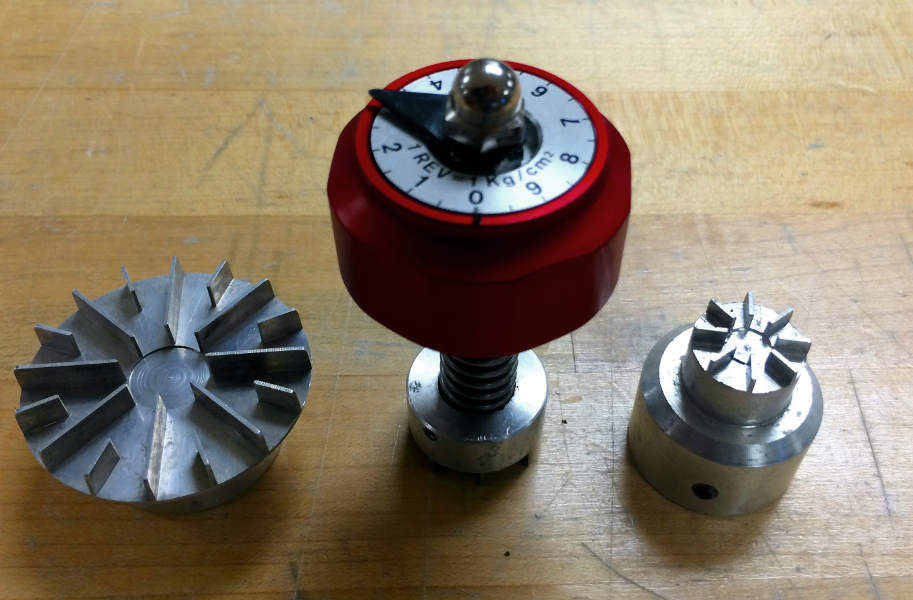
The torvane is used to find preliminary soil strength values and is used for classification of cohesive soils. This is typically used for softer soils and has adapters allowing it to accommodate a larger range of strengths. As a tool for preliminary testing, it should not replace a more precise strength measurement tool or be used to produce design data.
Unconsolidated-Undrained Triaxial (UU Triaxial)
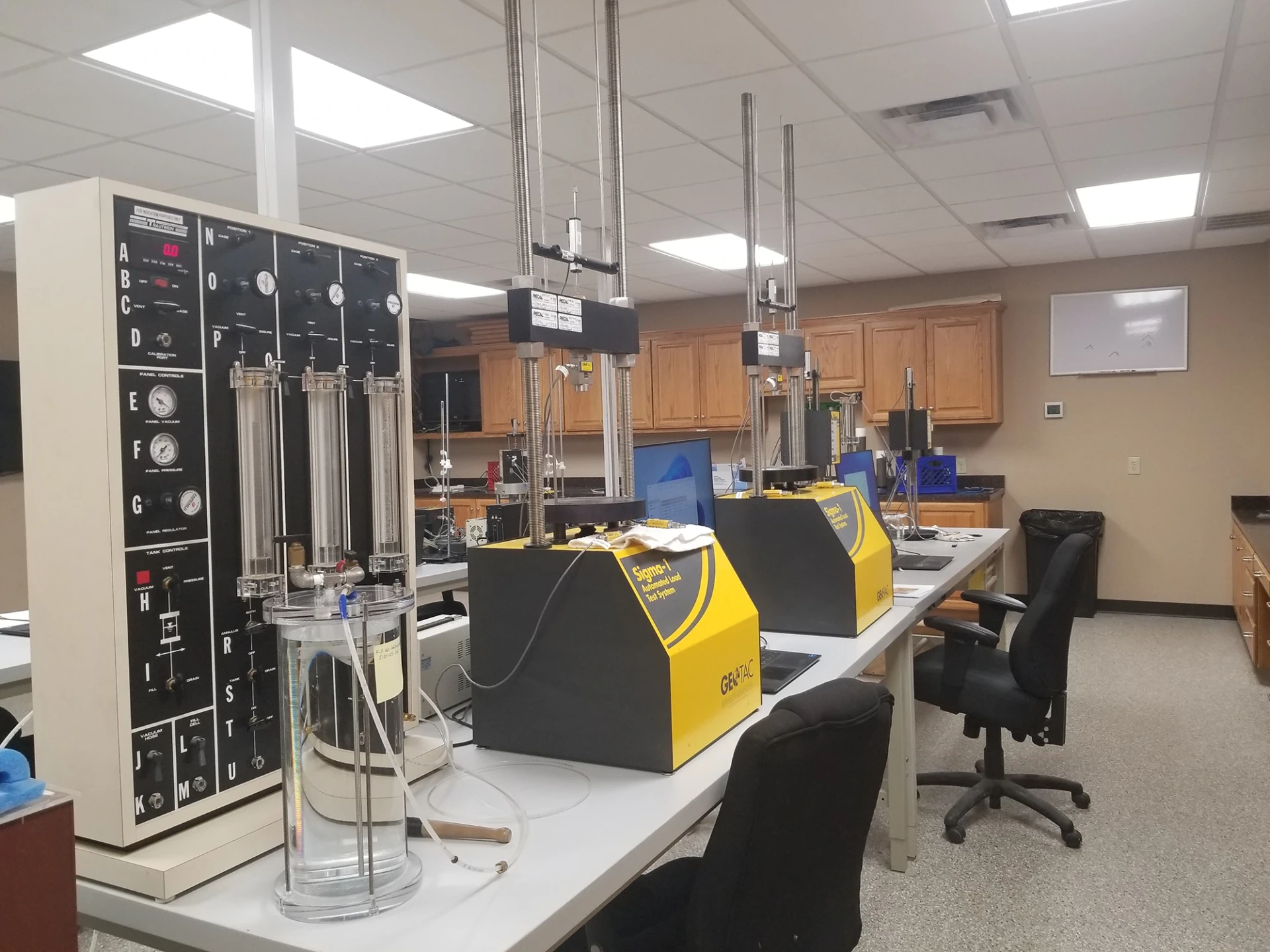
UU Triaxial testing is performed to determine the shear strength of an undrained and unconsolidated cylindrical sediment sample. Specifically, the sample is placed under a confining pressure to simulate the condition of being confined by surrounding soil. The sample is then failed axially while measuring the force applied to the sample and the deformation. Measuring these two values allows us to construct a stress-strain plot of the failure. Reference ASTM D2850.
Unit Weight (Density)
Unit weight is a ratio of weight to volume. We can also report the density which is the ratio of mass to volume. The difference between the two values is only the acceleration due to gravity so one can be determined from the other. We use 2 different methods depending on the grain size. Unit weight and density testing is dependent on the specific soil structure and moisture content at the time of testing. Reference ASTM D7263.
If you would like to learn more about our geotechnical laboratory services and capabilities, please contact:
info@tdi-bi.com
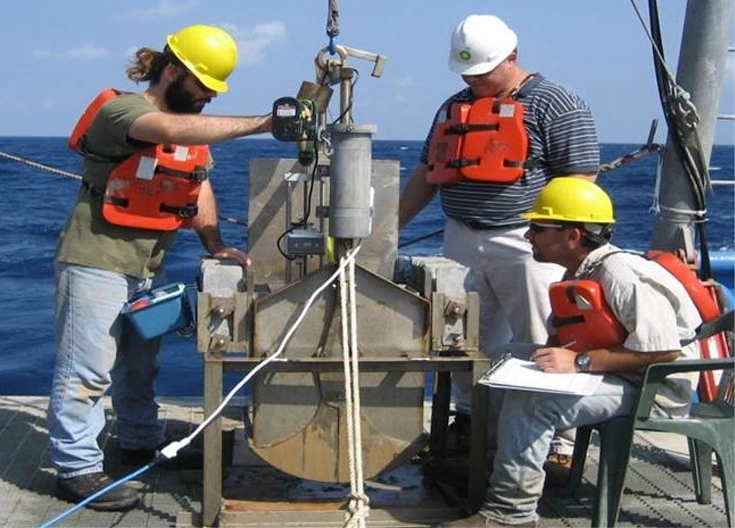
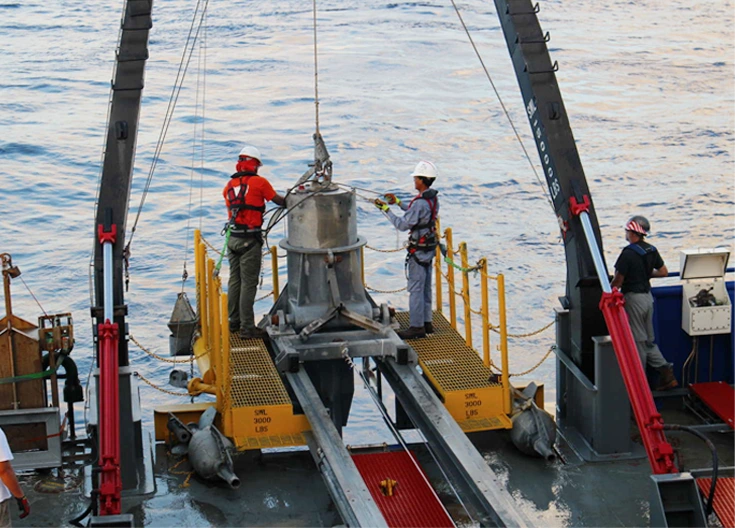
TDI-Brooks International, Inc. offers a comprehensive suite of geotechnical analytical services for characterizing offshore geotechnical samples. In addition to our offshore geotechnical sampling toolkit, TDI-Brooks can provide soil testing services through our in-house geotechnical laboratory.
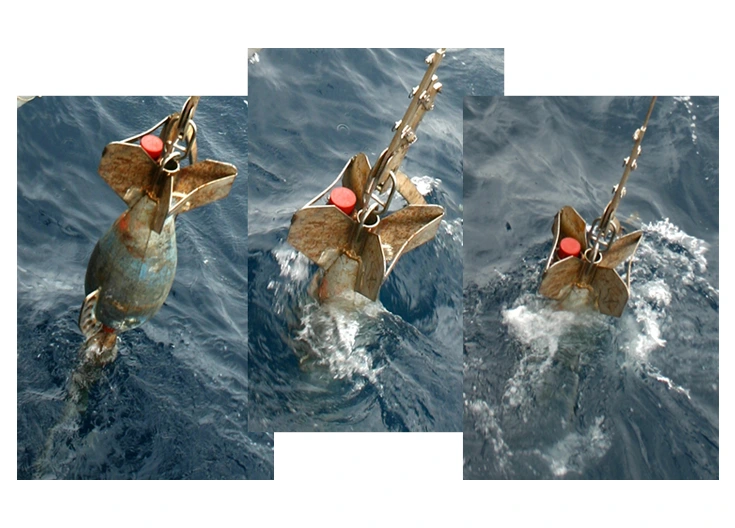
TDI-Brooks Manta-200 CPT