

B&B Laboratories is an affiliate of TDI-Brooks International which are both owned and operated by world-renowned geochemists Dr. Jim Brooks and Dr. Bernie Bernard in College Station, Texas. B&B Labs provides high-quality analytical services and scientific interpretation with a focus on petroleum geochemistry, surface geochemical exploration, oil spill response, environmental baseline studies (EBS), fingerprinting, and environmental chemistry assessments including PFAS, PAH’s, Organochlorines, PCBs, TPH, etc.
Our chemistry and geotechnical laboratories are staffed with highly skilled scientists and chemists who have worked in partnership with federal and state agencies as well as the private energy and environmental industry for well over 29 years.
Questions? Email labinfo@tdi-bi.com
Our chemistry and geotechnical laboratories are staffed with highly skilled scientists and chemists who have worked in partnership with federal and state agencies as well as the private energy and environmental industry for well over 29 years.
Our Analytical Repertoire includes the following:
% Carbon Determination
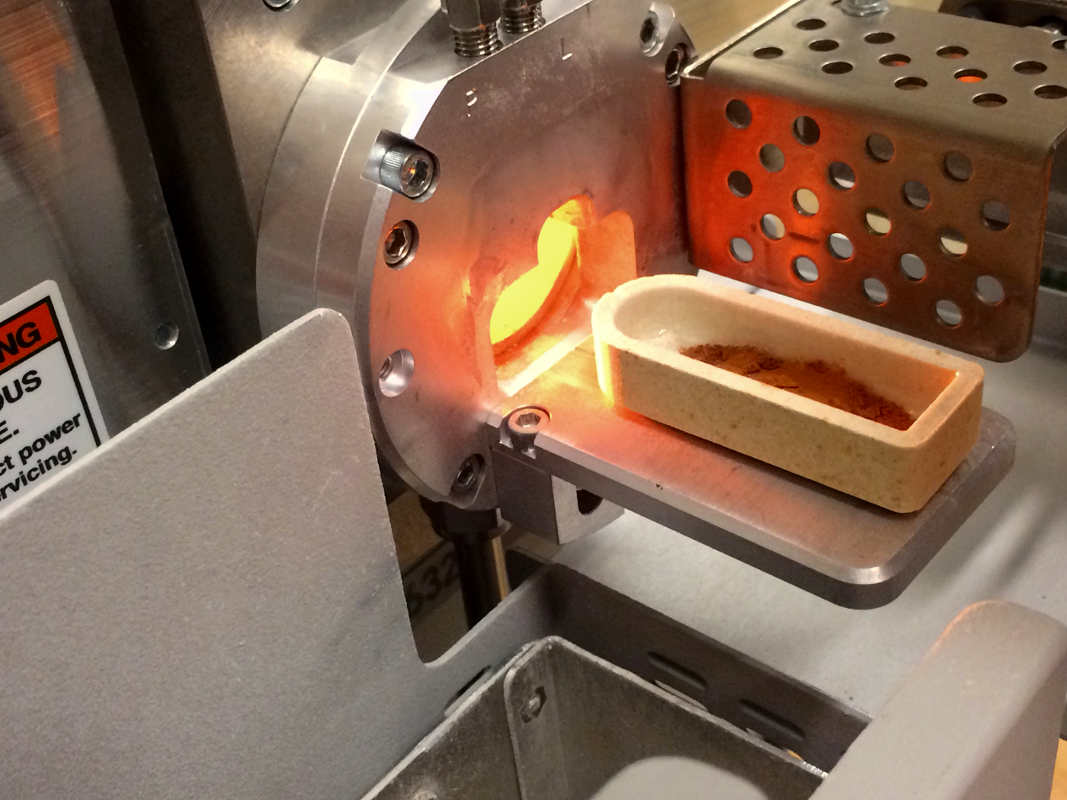
Employing the Lloyd Kahn procedure, we routinely analyze percent total carbon, percent organic carbon and percent inorganic carbon using the LECO corporation model 632 carbon analyzer in sediments and soils using direct combustion/infrared detection. In addition to the determination of solids for percent carbon, we can provide % carbon results for both fresh and marine water samples using the OI Analytical model 700 or 1010 Wet Oxidation Total Organic Carbon Analyzers.
C15+ Hydrocarbon Determination
C15+ Hydrocarbon Determination refers to the determination of individual normal alkane hydrocarbons between 15 and 36 carbons. The determination also includes the isoprenoids pristane and phytane, and a determination of the unresolved complex mixture (UCM). The analytes are separated and detected by a flame ionization detector (GC/FID).
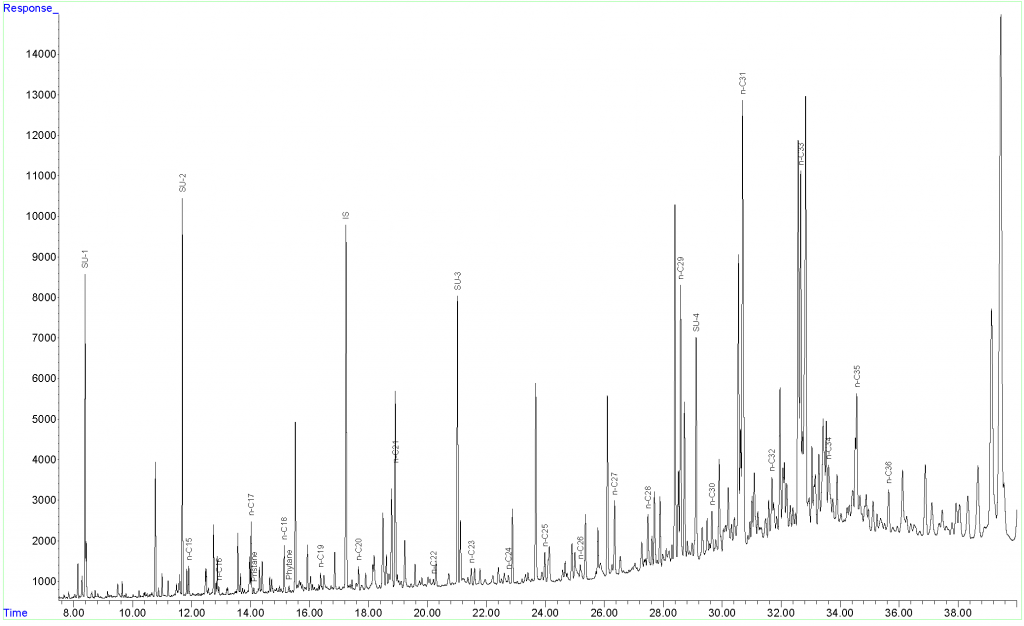
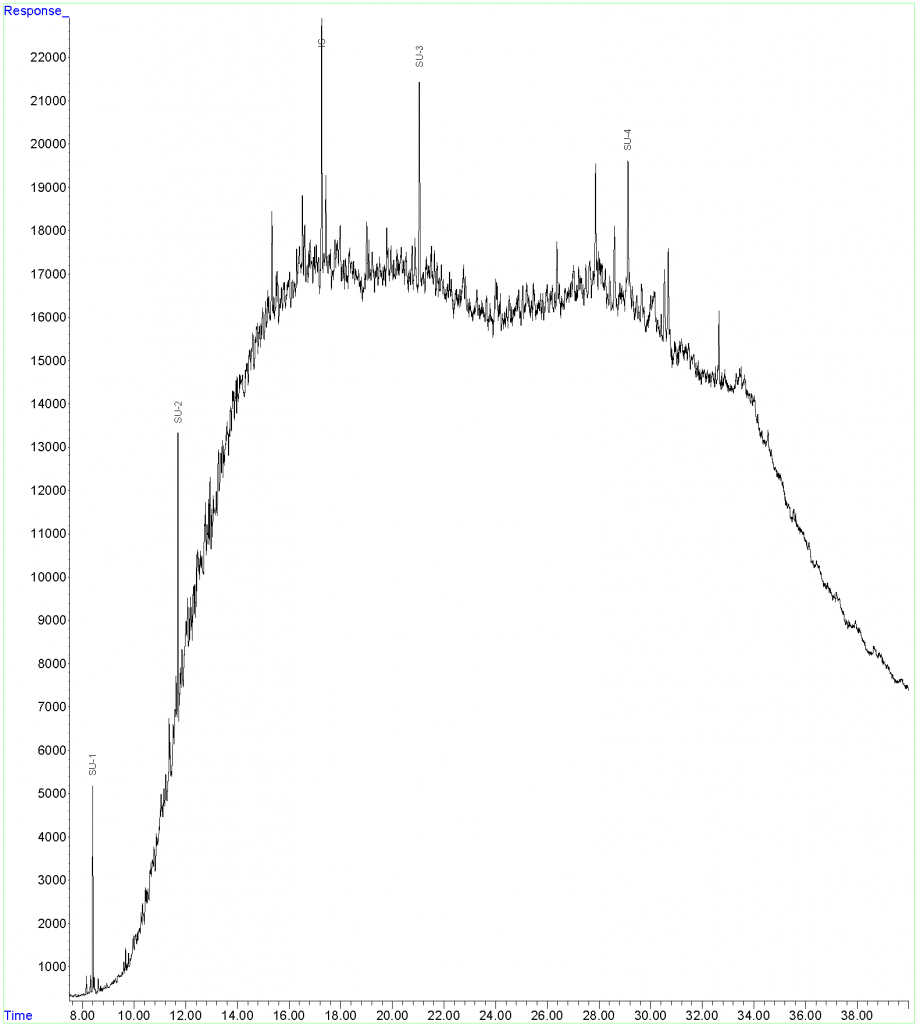
Core sections associated with recent seepage of petroleum may have a complete sequence of n-alkanes, plus the isoprenoids, pristane and phytane. Depending on the degree of biodegradation, a UCM hump may also be present. For severely biodegraded extracts, the n-alkanes and isoprenoids have been degraded and a large UCM hump is usually present.
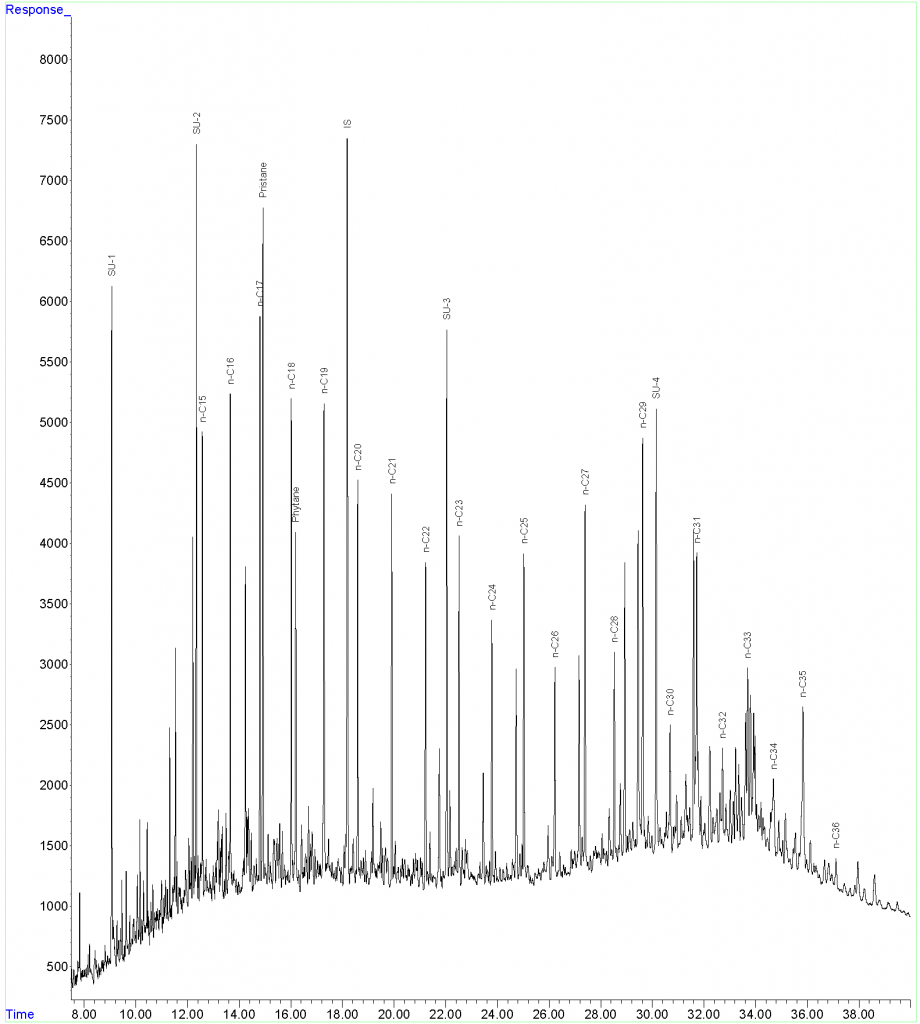
Sites associated with recent, terrigenous organic matter typically have a low UCM value and an enrichment in long-chain (greater than n-C23) n-alkanes with odd-carbon predominance. The detection of a complete suite of n-alkanes plus pristane and phytane is especially strong evidence of the existence of migrated petroleum.
Brominated Flame Retardants
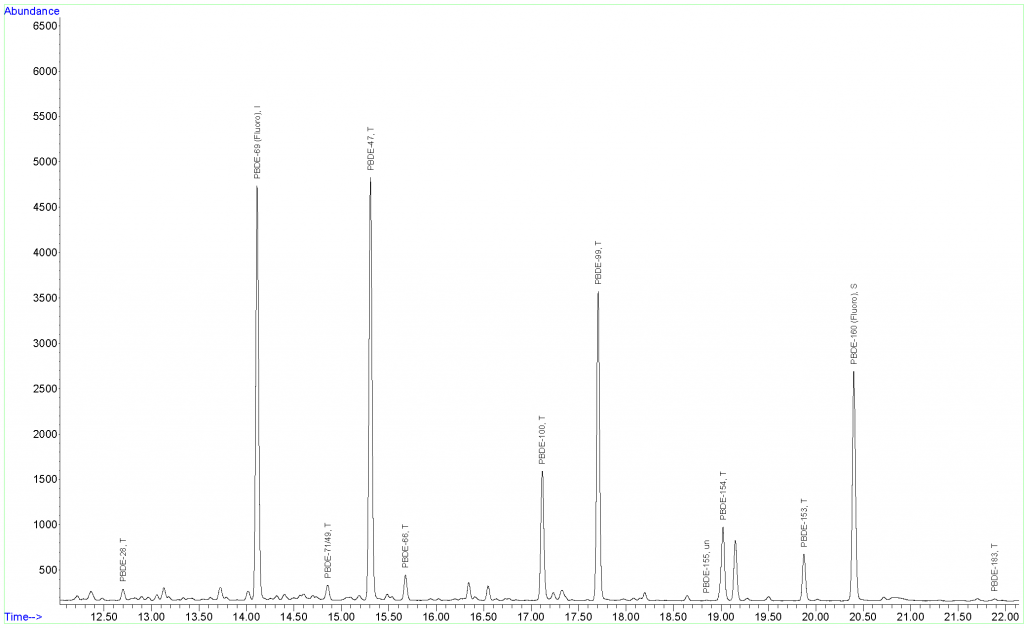
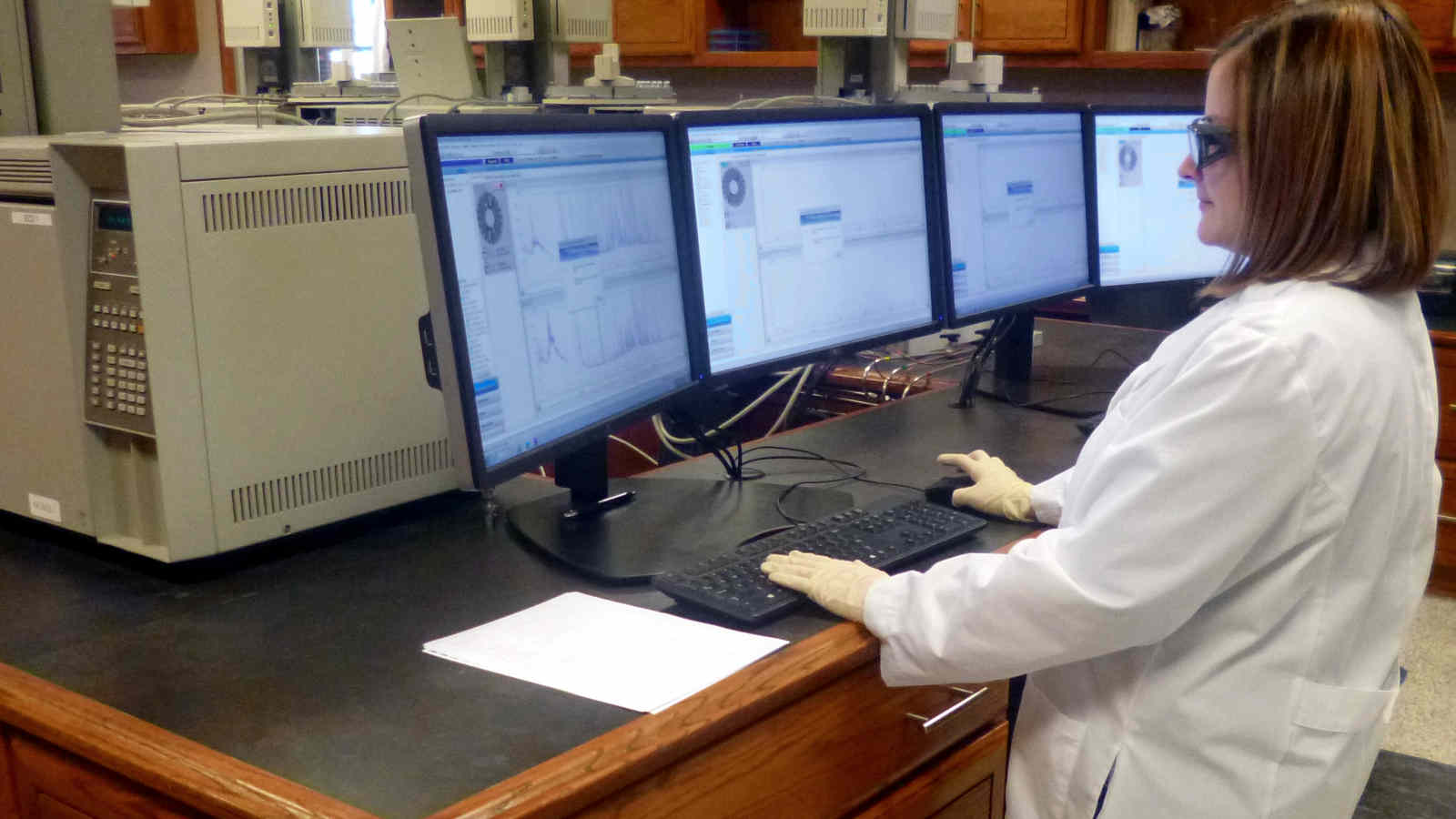
As part of a new group of emerging contaminates , we also offer the determination of Polybrominated Diphenyl Ether (PBDE) & Polybrominated Biphenyls (PBB). Used as flame retardants, these compounds can be found in many commercial and household items from plastic toys, textiles, building materials and laptops. As a quantitative technique used for the determination of PBDE/PBBs (individual congeners) in extracts of sediment, water, and tissue, PBDE/PBB analysis is performed using gas chromatography / mass spectrometry Negative Chemical Ionization (GC/MS-NCI) and (GC/MS) in selected ion monitoring (SIM) mode at sub part per billion concentrations respectively.
Butyltin Determination
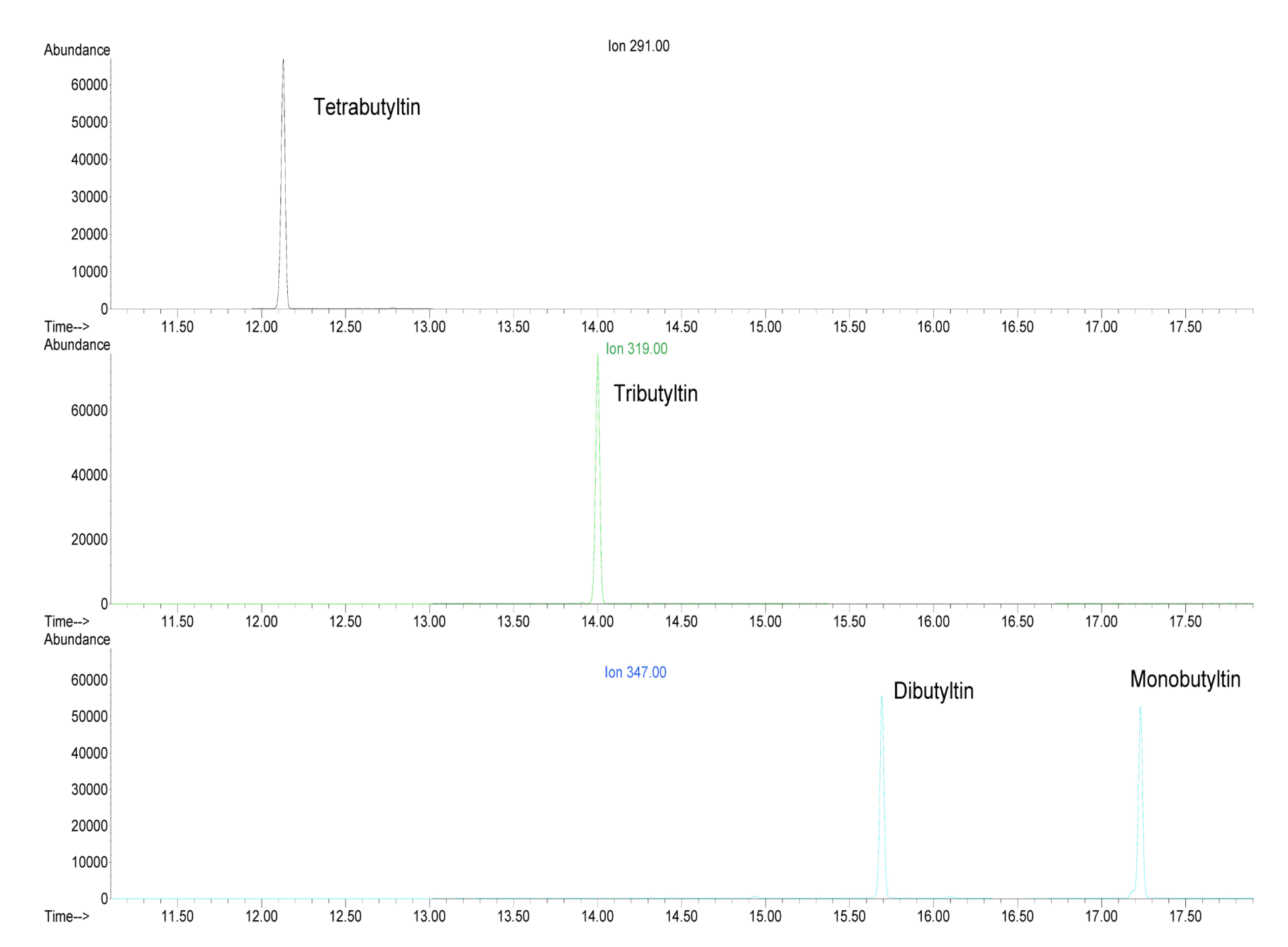
Butyltins are utilized in the industrial production of plastics and as fungicides/bactericides. Organotins in the form of TBT-based paints have largely been used to inhibit the growth of organisms on solid surfaces, such as ships immersed in fresh or salt water. However, as these compounds degrade into the water column, the butyltins are taken up by aquatic organisms, leading to growth abnormalities and increased mortality in certain aquatic organisms. Determination of tetrabutyltin (TeBT), tributyltin (TBT), dibutyltin (DBT) and monobutyltin (MBT) can be used to assess the extent of butyltin contamination in an ecosystem. TDI-Brooks offers the analysis of Butyltins. We routinely analyze sediment, water and tissue matrices as part of NOAA’s monitoring programs around the United States. This analysis involves the extraction, derivitization, and analysis of TeBT and TBT and its degradation products DBT and MBT from soil, tissue, and water matrices and determined using gas chromatography/mass spectrometry (GC/MS) in selected ion monitoring (SIM) mode at sub parts per billion levels.
Gas Isotope Analysis
Scientists at TDI-Brooks International, Inc., who have spent their careers developing methods for determination of trace gases and other organics compositions in nature, have now developed the ability to robustly measure the carbon isotope ratio of each light hydrocarbon component at concentrations less than 1 ppmV. Prior to this new tool, only about one sample in 30 brought from the field had light gas concentrations high enough for determination of individual gas isotope ratios. Now, essentially any sample with light hydrocarbon concentrations above background can yield valid gas isotope ratios.
Instrument detection and quantification of methane and the other light hydrocarbon gases in soils and near-surface marine sediments is perhaps the earliest and long-lived geochemical method used for petroleum prospecting, dating back to the 1930s. Light hydrocarbons can reside in soils and near-surface marine sediments from different sources and in a variety of phases, often together in equilibrium.
Determinations are routinely performed on samples of soils and sediments for concentrations of resident methane, ethene, ethane, propene, propane, iso-butane, n-butane, iso-pentane, n-pentane, and carbon dioxide. Such gas measurements are typically performed around the world as elements of surface geochemical exploration (SGE) programs for the purpose of seep hunting. These molecular compositions can often distinguish biogenic from thermogenic sources in soils, sediments, seeps, gas hydrates, and well gases. However, competing processes including local gas mixing, production, consumption, migration, alteration, and fractionation can render the signature of the original gas source ambiguous. Various gas-source models in the literature have been developed to aid in accurate interpretation for samples that have been biodegraded, fractionated, and/or mixed during and after migration.
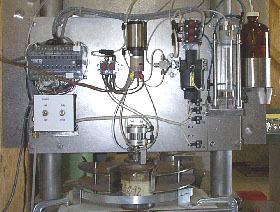
Stable carbon isotopic ratios of each of the light hydrocarbons are often used to clarify gas source for samples that have sufficient concentrations of the individual gas components. Such isotopic compositions of thousands of natural gas samples have been reported in the literature or reside in various prospecting databases. Obtaining accurate stable carbon isotope ratios of well gases has become commercially routine, because the individual concentrations of the alkane gases are typically high enough for baseline separation and robust determination by isotope ratio mass spectrometry (IRMS). However, the concentrations of these individual alkanes in soils and sediments range down below one ppmV (µL gas per L soil). These low concentrations are easy to detect using gas chromatography with flame ionization detection (GC/FID), but have been insufficient for reliable measurements of the carbon isotopic ratios of the individual light hydrocarbons. A diagram and photo are presented below.
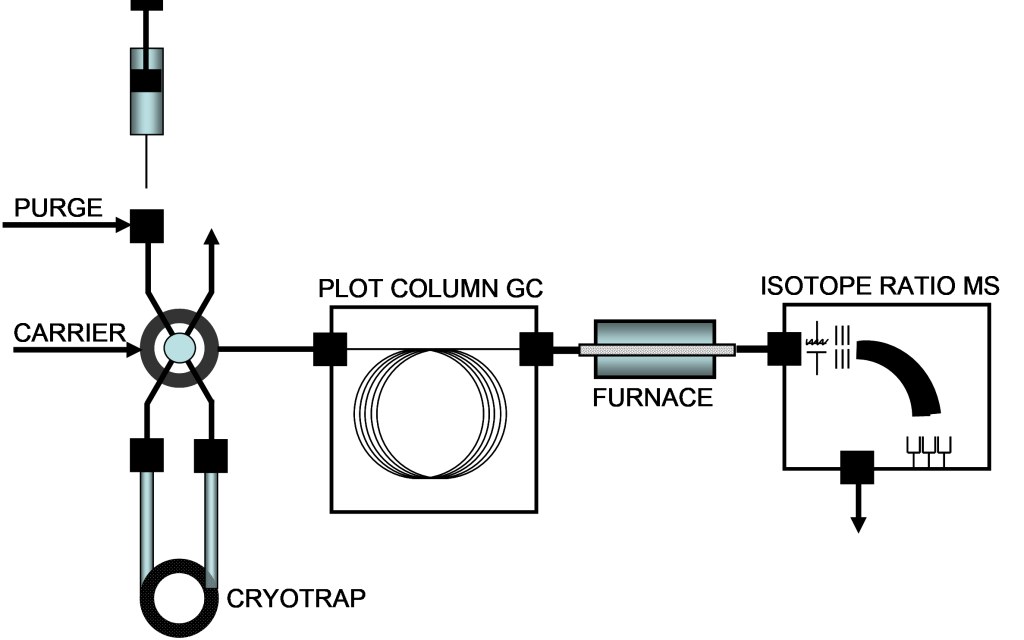
Method: As much as a liter of gas with traces of light hydrocarbons, such as an atmospheric sample or the equilibrated headspace from a canned soil or sediment sample, is stripped of moisture and adsorbed onto a cryo-trap held at near LN2 temperature. After this cryo-trapping concentration step, the analyte light hydrocarbons are thermally desorbed with helium onto to a PLOT GC column for separation. Each gas component passes in turn through a combustion furnace, quantitatively combusting each eluting light hydrocarbon. The resulting CO2 is then split such that a desired fraction enters the vacuum chamber of the isotope ratio mass spectrometer for ratio measurement against a standard isotope mixture. Accuracy and precision are both better than ± 1o/oo for even low concentrations of gas.
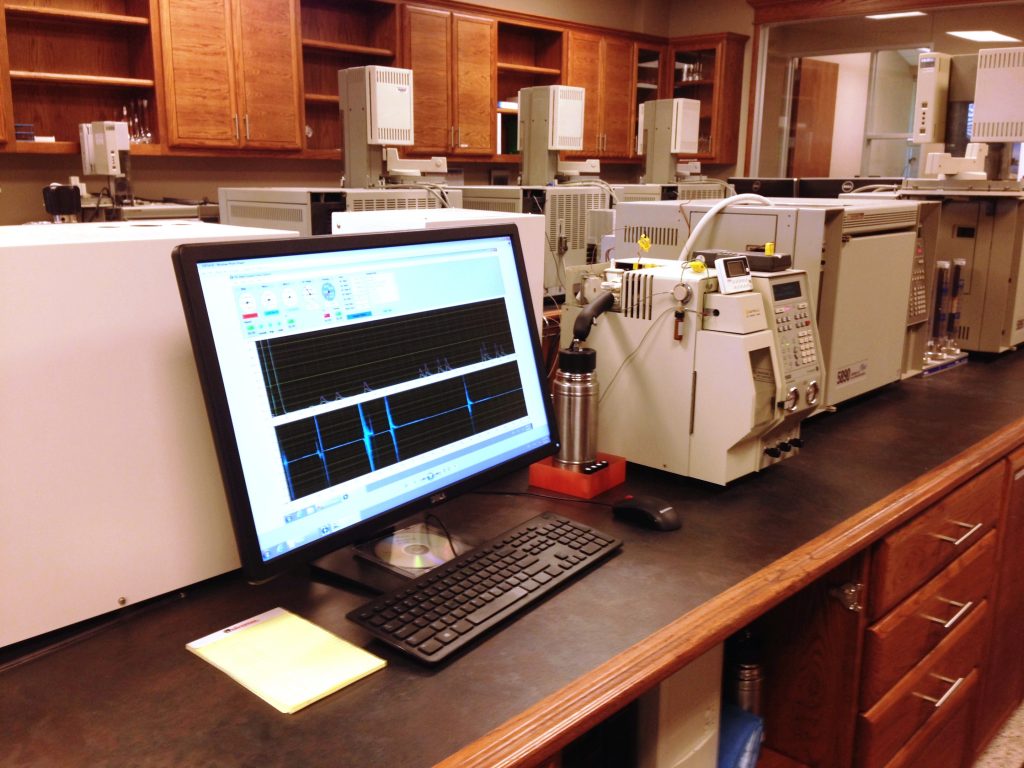
The natural presence in seabed sediments of elevated levels of C2+ alkane gases has historically served as a prospecting indicator of migrating thermally-sourced gas, as conventional wisdom holds that ethane, propane, the butanes and the pentanes are not locally produced and sustained at more than a few ppmV near the seabed. The microbially generated olefins including ethene and propene are ubiquitous in the recent marine environment, and are routinely measured in marine sediments at sub-ppmV concentrations, though these compounds are too labile to persist in thermogenically derived fluids. Our new Purge & CryoTrap/GC/IRMS system now allows us to measure the carbon isotopic compositions of each of the light hydrocarbon gases, including the olefins, in most seabed sediments.
Below is a plot of the interstitial gas compositions from 12-m deep Jumbo piston core (JPC) samples, plotting the carbon isotopic composition of methane vs. that of ethane. The red line indicates the empirical trend line for this gas isotope pair from a worldwide sampling of natural gases. Samples plotting close together on the line indicate a co-genetic source of thermogenic gas. The JPC seep samples are plotted as indicated in the legend. We believe the ethane in these samples to be microbially produced (as is the methane) or even more likely to be the diagenetic daughter product of decomposing and very labile microbially produced ethene. The ethane isotopic ratios reported here were isotopically lighter than -60o/oo vs. VPDB, which is lighter than even the least mature thermogenically-derived ethane considered in the literature.
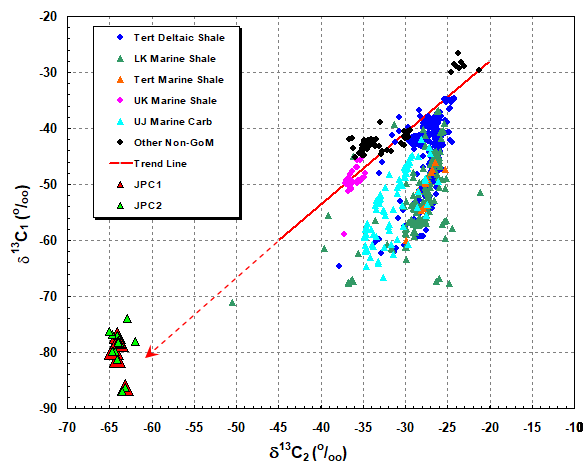
Without the determination of stable carbon isotope compositions of these ethanes, they would have been interpreted as of thermogenic origin due to their 100+ ppmV concentrations. If a degradation product, this ethane should reflect the original isotopic composition of the bacteriogenic ethene from which it derived, as isotopic fractionation effects should be small with the substantially complete ethene degradation inferred by the measured concentrations of ethene in the cores. Future such work can now include the measurement of isotopic ratios of seabed ethene, for comparison with ethane.
Without the determination of stable carbon isotope compositions of these ethanes, they would have been interpreted as of thermogenic origin due to their 100+ ppmV concentrations. If a degradation product, this ethane should reflect the original isotopic composition of the bacteriogenic ethene from which it derived, as isotopic fractionation effects should be small with the substantially complete ethene degradation inferred by the measured concentrations of ethene in the cores. Future such work can now include the measurement of isotopic ratios of seabed ethene, for comparison with ethane.
Below is a plot of the interstitial gas compositions from several recently acquired 5-m deep piston core samples, plotting the carbon isotopic composition of propane vs. that of ethane. The red line indicates the world-wide empirical trend line for this gas isotope pair. The piston core interstitial gas samples are plotted as red triangles, some overlain with yellow squares. These are among the few such sets of data ever generated due to the low, sub-5 ppmV concentrations of these gases in the seabed sediments. We believe the ethane and propane in samples marked as red triangles to be microbially produced or even more likely to be the diagenetic daughter products of decomposing and very labile microbially produced olefins. The ethane and propane in samples marked with yellow squares, however, may be of thermogenic origin, but we also are finding some low-concentration thermogenic propanes that appear to be fractionated isotopically heavier, perhaps by propane-preferential microbial activities.
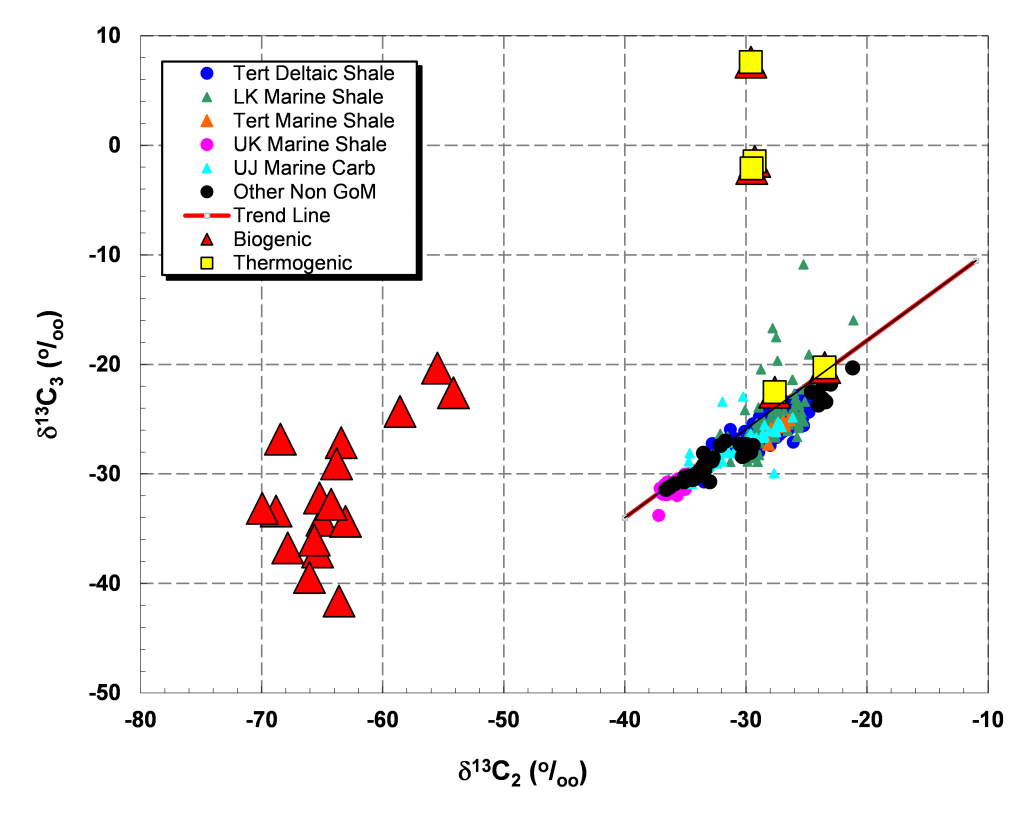
TDI-Brooks acquires on our SGE projects, and receives from other field acquisition programs, more than 1,000 seabed piston cores each year that are intended for geochemical analyses in the context of surface geochemical prospecting for oil and gas. We are the world-wide analytical lab of choice for lab analysis and interpretation because we have established ourselves over the decades as having an extremely robust set and demonstrably in-control set of analytical methods for this purpose. In the process, we have also developed an incomparable database of surface geochemical exploration data with which to compare new survey results. Starting early 2015 with our new Purge & CryoTrap/GC/IRMS system, we have started adding to our database these new stable carbon isotope measurements of each of the light hydrocarbon gases at concentrations too low for any other lab to match. Such results are already starting to shift our interpretative paradigm for distinguishing microbial from thermogenically sourced gases in marine sediments.
Hydrocarbon Determination
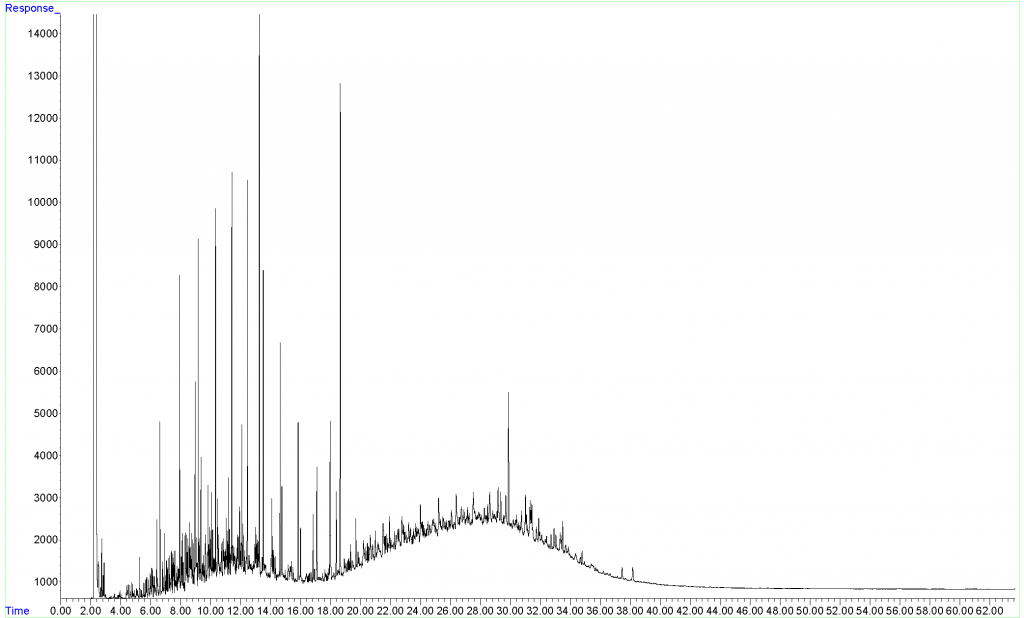
TPH Determination (n-C10 –n-C40) In conjunction with our PAH determination, we offer the analysis of Saturate Hydrocarbons with n-alkanes ranging from n-C10 through n-C40 as well as several Isoprenoids in identifying petroleum contamination in environmental samples and/or characterization of petroleum products. Also available is the analysis of samples for Total Petroleum Hydrocarbon (TPH). Aliphatic Hydrocarbon (ALI) determination is a quantitative technique used for the analysis of normal alkanes with 10 to 40 carbons (C10 to C40), and the isoprenoids pristane and phytane, in extracts of sediment and water. This technique is very sensitive for “fingerprinting” petroleum and for following its degradation in the environment. Quantitation is performed by high-resolution capillary gas chromatography with flame ionization detection (GC/FID). Method detection limits for compounds determined using this method are very low (< 0.02 mg/dry g for sediment, and < 0.32 mg/L for water). Total Petroleum Hydrocarbon (TPH) determination refers to the quantitative determination of the sum of all hydrocarbons, degraded and non-degraded, that may be extracted from a sediment or water sample. The analysis is performed gravimetrically or by gas chromatography / flame ionization detection (GC/FID). The gravimetric technique is an inexpensive and quick screening tool for oil spill response projects. The gravimetric TPH method is performed by solvent extracting hydrocarbons from a sample, concentrating the extract by reducing the extract volume, and weighing a portion of the extract. The more expensive GC technique provides additional sensitivity and information. This method takes a portion of the concentrated extract (as above) and injects it into a GC/FID. The resulting chromatogram is integrated, using a straight line, between the retention time for the n-alkane n-C10 and the retention time for the n-alkane n-C40. This integration includes most extractable petroleum related hydrocarbons. Using this method, the Total Resolvable Hydrocarbons (TRH) and the Unresolved Complex Mixture (UCM) may also be determined. The TRH are non-degraded hydrocarbons which appear as peaks in the chromatogram. The UCM is the area under the chromatogram (excluding the peaks) representing degraded hydrocarbons. As an oil degrades, the UCM hump becomes larger and the TRH decreases. TPH is the sum of TRH and UCM.
Hydrocarbon Extraction
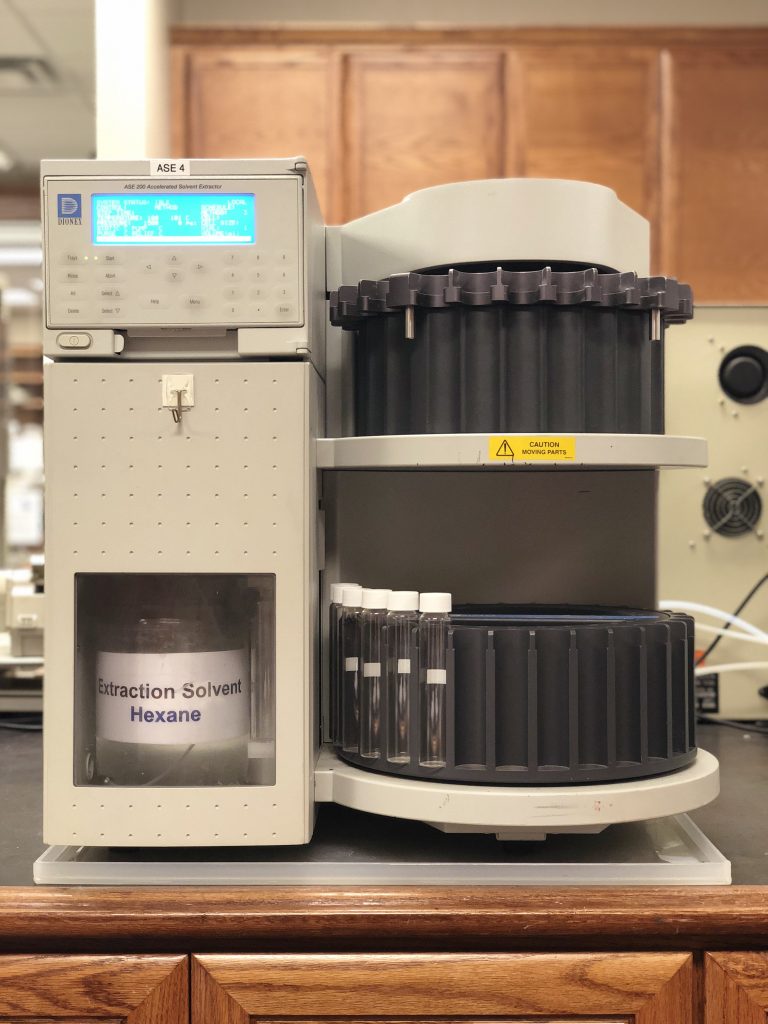
An automated extraction apparatus (Dionex ASE200 Accelerated Solvent Extractor) is used to extract various organic hydrocarbons from pre-dried sediment. The extractions are performed using hexane inside stainless-steel extraction cells held at elevated temperature and solvent pressure. This method of extraction minimizes the use of solvent and decreases the extraction time when compared to conventional Soxhlet extractions. The extracts dissolved in the hot solvent are transferred from the heated extraction cells to glass collection vials. Pre-cleaned, activated copper is added to each collection vial in order to minimize matrix interference.
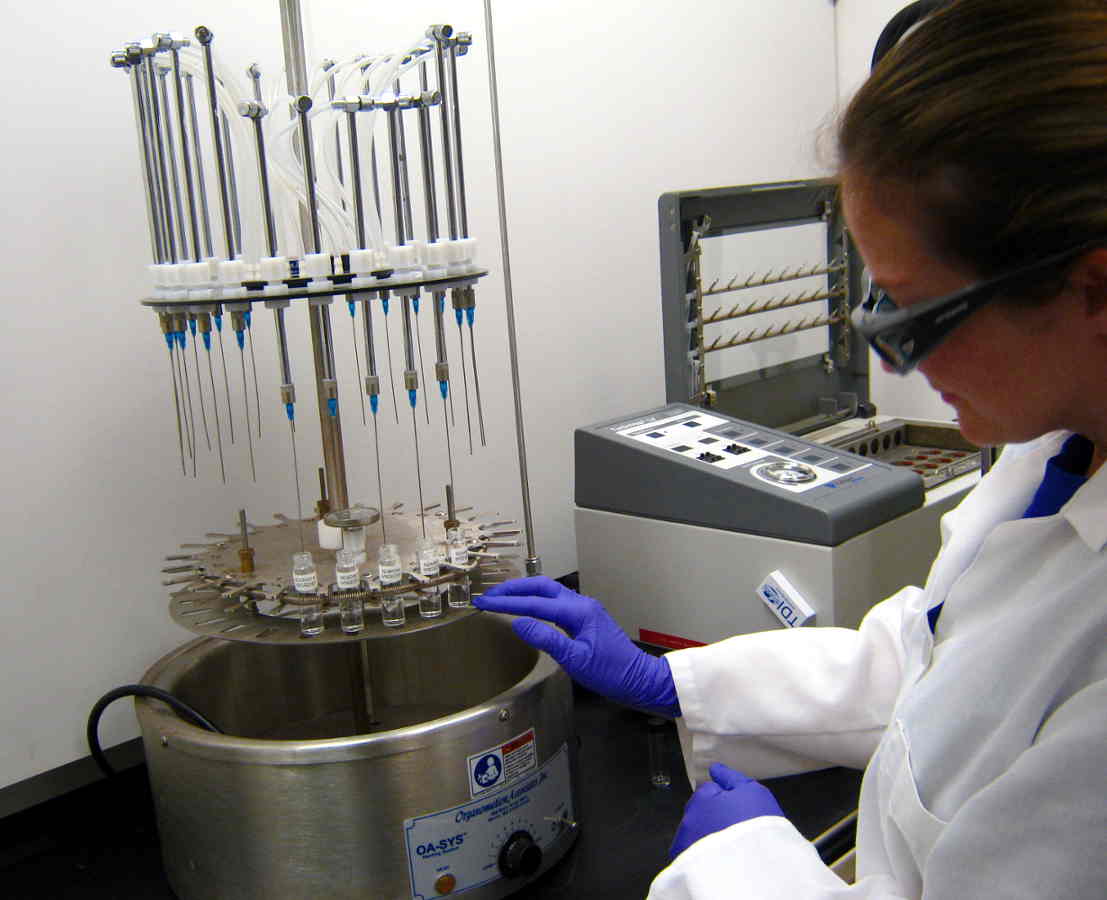
Extracts are concentrated to a final volume of 8-ml using an evaporative solvent reduction apparatus (Zymark TurboVap II). Final extracts are submitted for hydrocarbon analysis by Total Scanning Fluorescence (TSF) and Gas Chromatography Flame Ionization Detection (GC/FID). Equipment is demonstrated to be interference-free with the analysis of method blanks. Oil spikes (extractions of a known amount of diluted crude oil) are analyzed with every sample-set in order to demonstrate the reproducibility of the extraction procedure
Interstitial Headspace Gas Determination
Interstitial Headspace Gas Determination refers to the determination of interstitial light hydrocarbon gases including methane, ethene, ethane, propene, propane, butenes, iso-butane, n-butane, neo-pentane, iso-pentane, and n-pentane (C1-C5) by Gas Chromatography/Flame Ionization Detection (GC/FID). The natural presence of high levels of C2+ alkane gases serves as a good indicator of migrating thermally-sourced gas, because ethane, propane, the butanes, and the pentanes are not microbially produced at high levels in marine sediments. The light hydrocarbon gases are not very soluble in water, so they can be extracted from a sediment and water sample into a gas such as nitrogen by a partitioning procedure. Sediment samples are canned immediately after piston core retrieval for headspace gas determinations. Sediment sections are immediately extruded from the core barrel’s liner into cans containing hydrocarbon-free 5 % Sodium Chloride solution. The cans are sealed after flushing the headspace with purified nitrogen, then frozen.
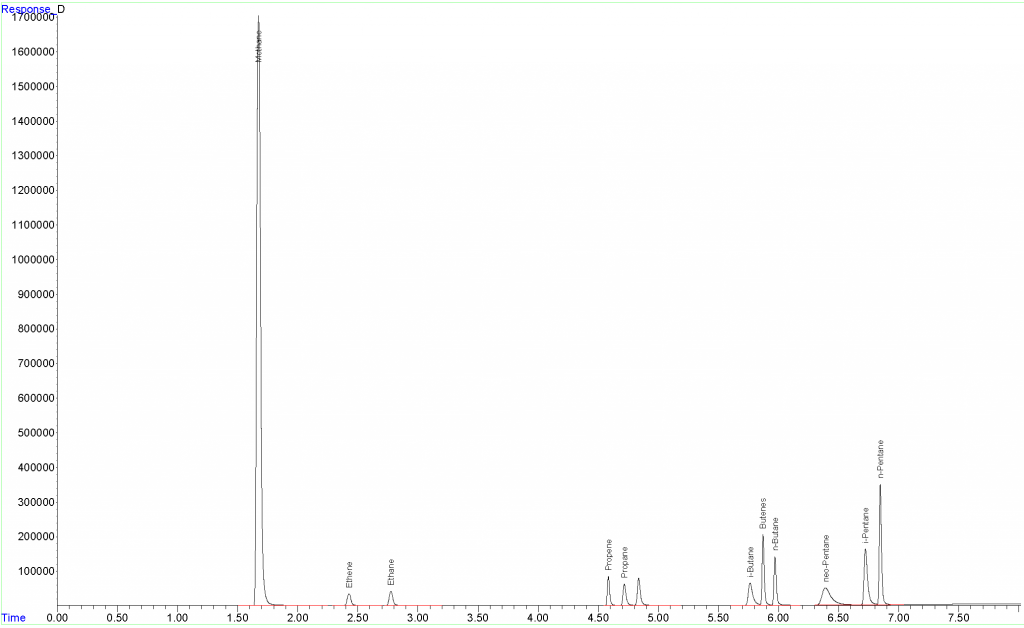
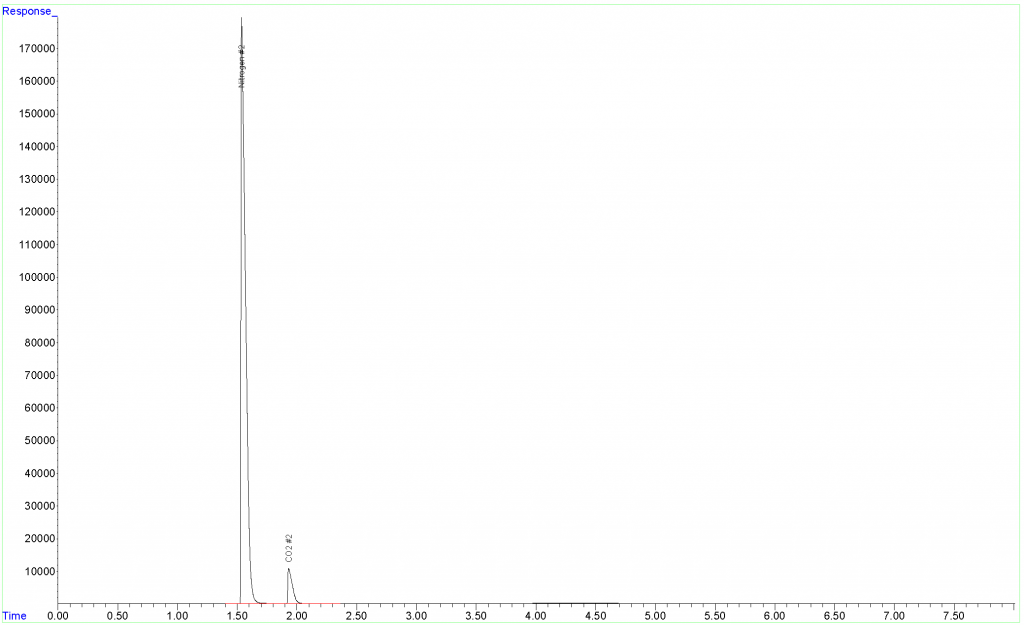
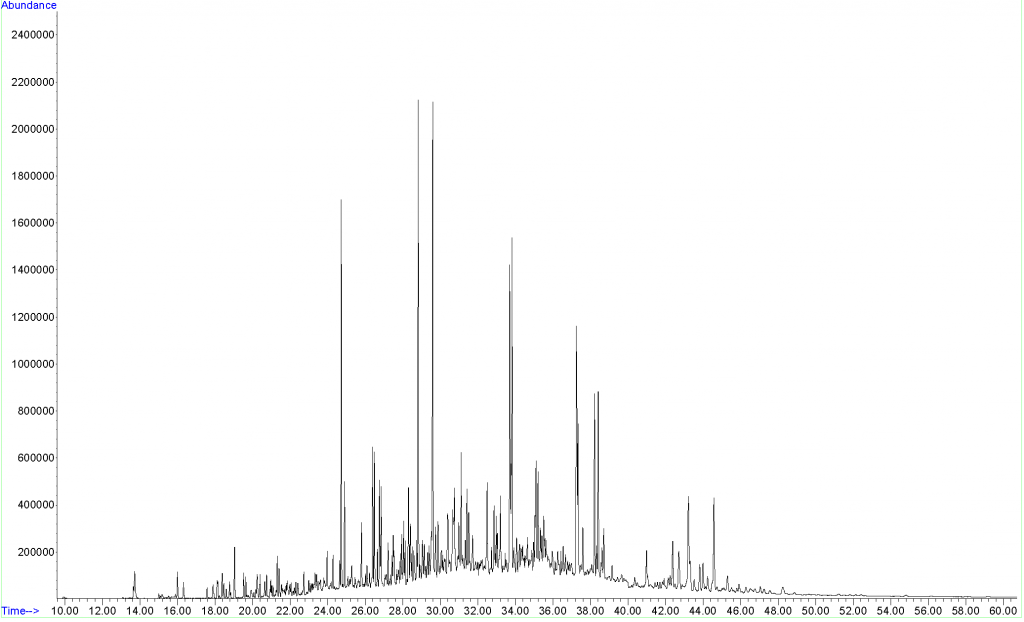
The computer software automatically integrates analyte peaks based on their retention times and analysts visually confirm that each analyte peak is integrated correctly by the software.
Laboratory Partnerships
Not all laboratories can offer the services you require. We can facilitate extended services by partnering with other labs in order to provide you with a sole source solution to your analytical needs. Please contact us for more information..
Other Analyses
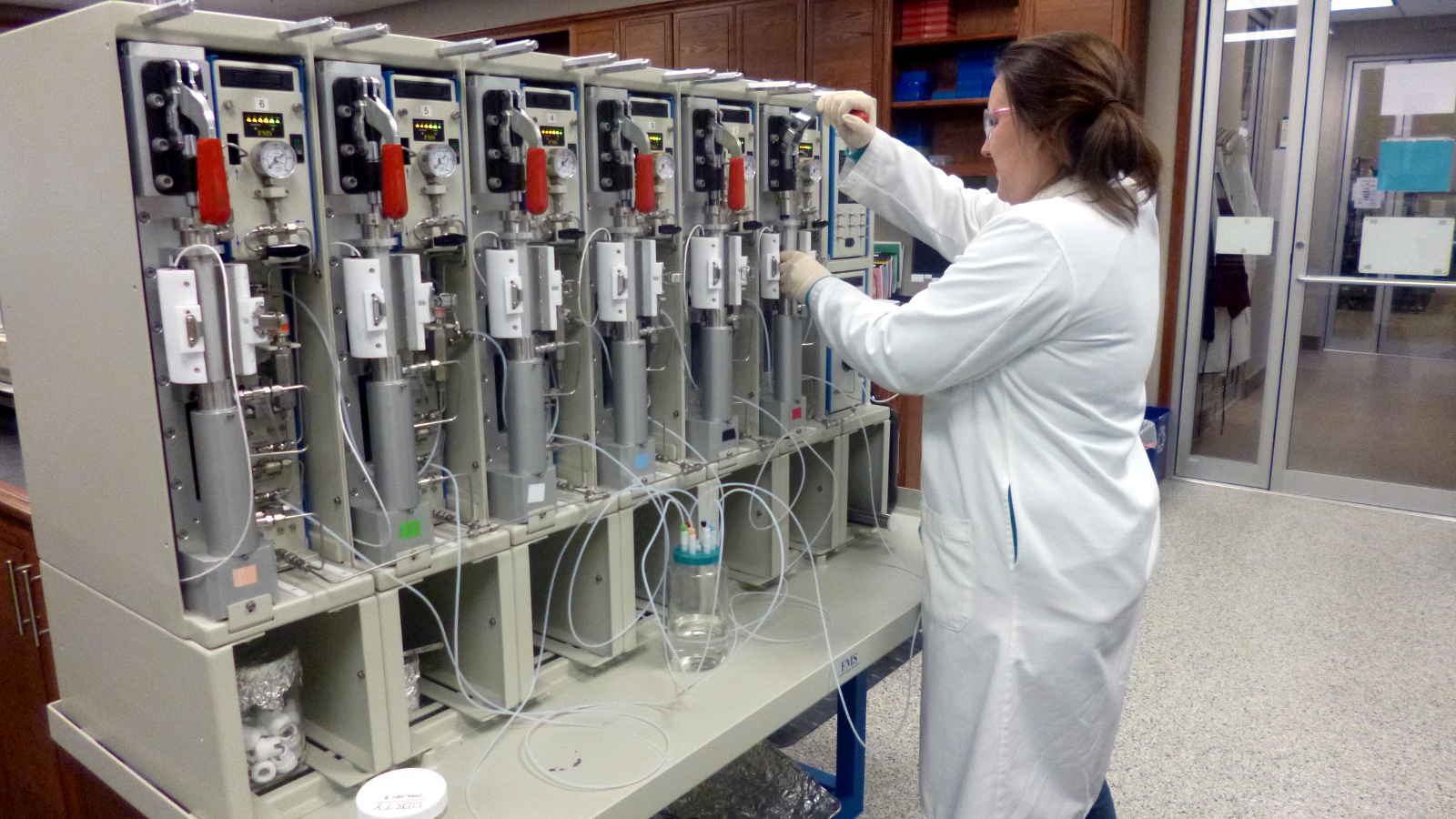
We have a highly trained staff with a broad range of experience in environmental analytical techniques. If you require services not listed here, please contact us for more information
Polycyclic Aromatic Hydrocarbons
As part of our hydrocarbon forensics, we routinely determine an extensive list of parent PAH and alkyl-substituted homologs in sediment, water, and tissue. PAH analysis is performed using gas chromatography / mass spectrometry (GC/MS) in selected ion monitoring (SIM) mode. Method detection limits for PAHs using this method are extremely low (< 0.5 ng/dry g for sediment, < 10 ng/L for water, and < 10 ng/wet g for tissue).
Poly- and Perfluoroalkyl Substances (PFAS)
Poly- and perfluoroalkyl substances, also known as PFAS compounds, are found in numerous components, most notably in non-stick and waterproof items that are used in everyday life, including Teflon. Even items like the inside of microwave popcorn bags, fast food wrappers, and aqueous fire-fighting foams (AFFF) contain PFAS compounds. While these compounds are not acutely toxic, PFAS are known to be bioaccumulative, i.e. they collect in organ tissue over time and are potentially carcinogenic and contribute to other health issues. Because of the pervasiveness and stability of PFAS, these compounds are being detected in many areas of the environment, including water, sediment/soil, and in the tissues and organs of marine and terrestrial wildlife.
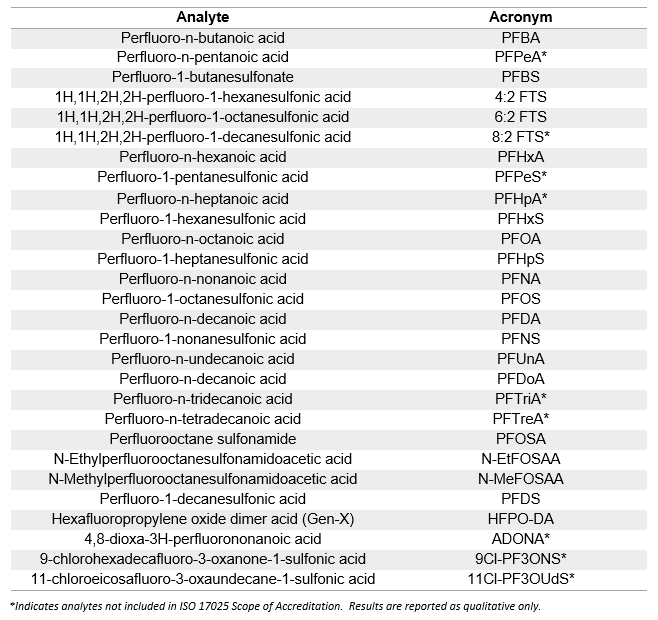
B&B Laboratories Receives ISO 17025 Accreditation for PFAS Testing
In the Fall of 2020, B&B Laboratories earned ISO 17025 accreditation for poly- and perfluoroalkyl substances (PFAS) analyses in water, soil/sediment, and tissue samples. These novel analyses are some of the company’s first to employ liquid chromatography/triple quadrupole mass spectrometry, or LC/MS/MS. PFAS are highly durable compounds, giving them the moniker “forever compounds”, and as a result are being detected in many areas of the environment including water, soil/sediment, and in the tissues and organs of marine and terrestrial wildlife. This challenging and ever-evolving class of environmental contaminants are pervasive and, while not acutely toxic, are known to bioaccumulate in organ tissues and contribute to health issues.
PFAS are found in numerous everyday items from non-stick or waterproof objects to some fast-food wrappers and stain resistant clothing. Environmental scientists are becoming more aware of the pervasiveness and diversity of these compounds and are working on ways to decrease or eliminate PFAS in the environment. B&B’s methods are optimized to detect a select group of 28 PFAS compounds (see table) to parts-per-trillion levels in all three matrices.
For more information, summary posters are available below for water samples and soil/sediment/tissue samples:
POSTERS
- Poly- and Perfluoroalkyl Substances (PFAS) in Water Samples by Liquid Chromatography/Tandem Mass Spectrometry, Megan M. Konarik, M.S, Michael Gaskins, Dr. Bernie Bernard, Dr. James Brooks
- Poly- and Perfluoroalkyl Substances (PFAS) in Soil/Sediment and Tissue Samples by Liquid Chromatography/Tandem Mass Spectrometry, Megan M. Konarik, M.S, Michael Gaskins, Dr. Bernie Bernard, Dr. James Brooks
PCB & Chlorinated Pesticides Determination
As part of our long standing involvement with NOAA and USFWS, TDI-Brooks routinely analyze an extensive congener specific list of Polychlorinated biphenyls (PCB) and Chlorinated Pesticides from Chlordanes, DDTs, and isomers of Hexachlorohexanes to name a few. High quality Chlorinated Pesticide and PCB determination is performed using high resolution gas chromatography / electron capture detection (GC/ECD) and is a quantitative analytical technique used for the determination of chlorinated hydrocarbons in extracts of tissue, water, and sediment. Method Detection Limits using this technique are very low (< 0.2 ng/dry g for sediment, <5 ng/L for water, and <4 ng/wet g for tissue).
Sample Receiving
Sample Receiving Hours: Monday – Friday: 7 am – 6 pm
Closed Holidays
New Year’s Day, Memorial Day, Independence Day, Thanksgiving Day, and Christmas Day.
Please contact us at 979-693-3446 to make arrangements for sample delivery outside of normal business hours.
Mrs. Amanda Brewster, Project Manager (amandabrewster@tdi-bi.com)
Mr. Maurice Toro, Sample Custodian (mauricetoro@tdi-bi.com)
TDI-Brooks International, Inc.
14391B S. Dowling Rd College Station, TX 77845
Total Scanning Fluorescence
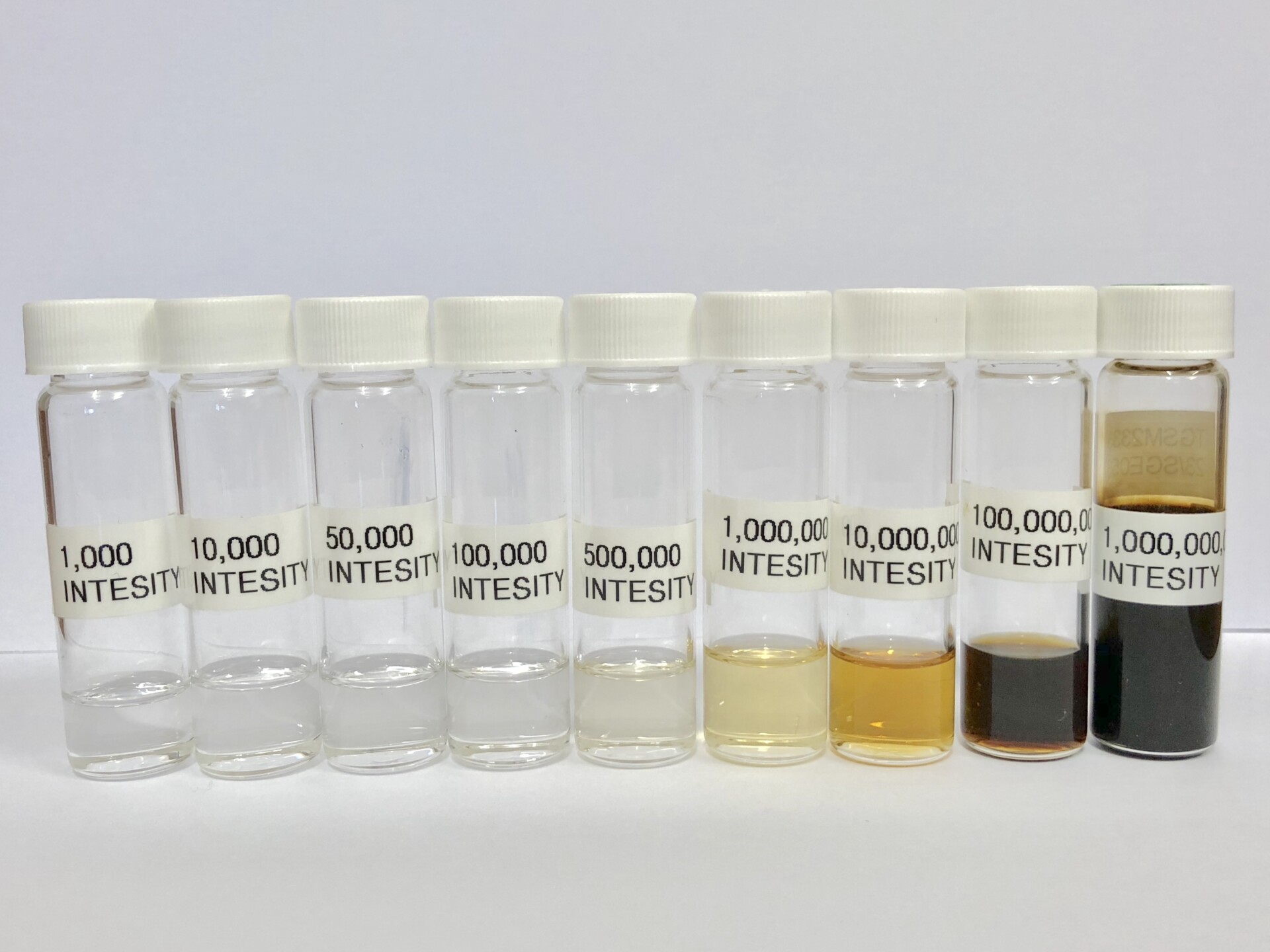
Total Scanning Fluorescence (TSF) is a semi-quantitative analytical technique that is selectively sensitive to aromatic compounds and, as such, is a valuable tool for detecting the presence of petroleum related hydrocarbons in sediment extracts. Increasing TSF intensity (expressed in arbitrary intensity units) generally corresponds to increasing aromatic hydrocarbon concentrations in sediment extracts.
Sediments containing upward-migrated oil contain a higher concentration of larger aromatic compounds (3 or more benzene rings) and fluoresce at longer wavelengths, whereas sediment extracts containing upward-migrated gas or condensate fluoresce at shorter wavelengths. TSF patterns are typically insensitive to bacterial alteration except in severely biodegraded samples.
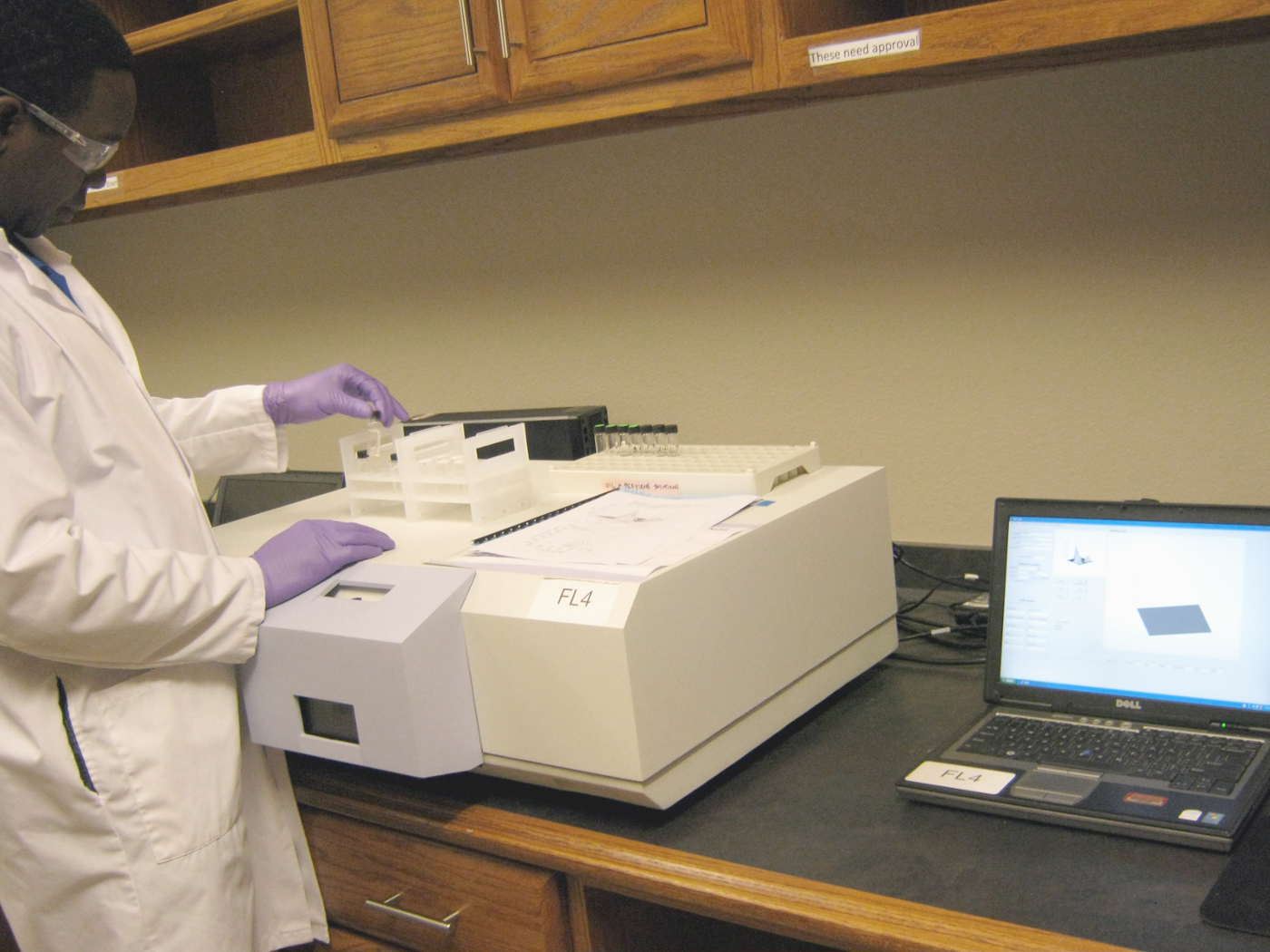
The TSF parameter R1 gives an estimate of the ratio of three and four-ring aromatics to two-ring aromatics. For extracts with high TSF maximum intensity, R1 values greater than 2 typically indicate the presence of mature hydrocarbons.A three-dimensional spectrum is acquired using software written for Perkin-Elmer Model LS 50B Fluorometers. A sample extract is placed in the pre-calibrated fluorometer, and scanned over a specified range of excitation wavelengths while measuring the resulting fluorescence emission intensities over a specified range of emission wavelengths. The resulting data is used to evaluate the sample extract for the presence of petroleum related aromatic hydrocarbons.
If you would like to learn more about our analytical services and capabilities, please contact:
labinfo@tdi-bi.com
Click here for B&B Laboratories Request for quote (RFQ) form
Qualifications
Our company has over 29 years of experience and has been the choice laboratory for programs such as NOAA’s Status and Trends Mussel Watch (1999-currently), United States Fish and Wildlife Analytical Control Facility (2002-currently), oil spill response as with Mississippi Canyon 252 (Deepwater Horizon) Natural Resource Damage Assessment (2010-currently).
Our company has both ISO/IEC 17025:2017 and ISO 9001:2015 certifications. Our Geotechnical Laboratory complies with current ASTM Standards.
We possess a USDA permit for the importing of foreign soils for laboratory analysis.
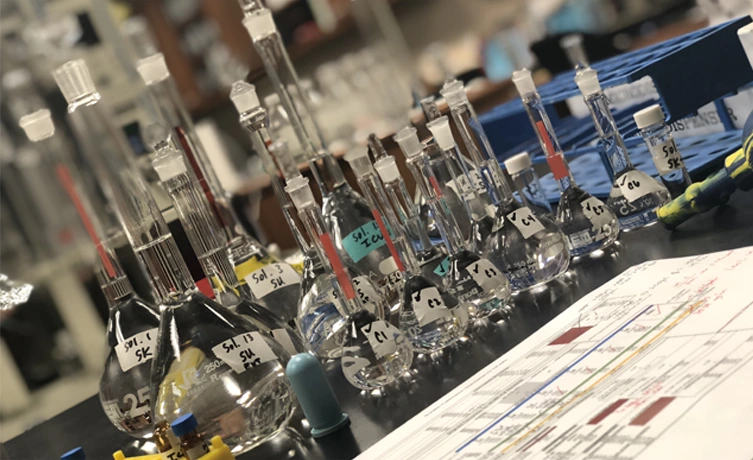
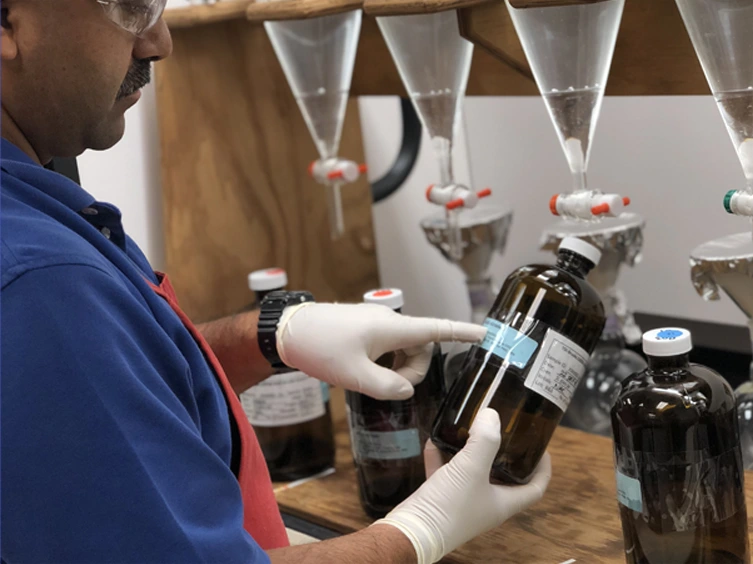
We take great pride in providing the highest quality trace-level organic chemical analyses for industries that require monitoring of analytes outside the scope and detection limits of typical regulatory methods. Our methods are based on highly modified EPA methods that are performance-based and meet the requirements of ISO 17025:2017. We specialize in the extraction and analysis of organic compounds in soils, sediment, and non-human tissue (i.e. fish, bivalves, bird eggs, blubber).
Experienced scientists review the data to ensure that they are scientifically sound and fulfill our customer’s requirements and requests.
Our company has over 29 years of experience and has been the choice laboratory for programs such as NOAA’s Status and Trends Mussel Watch (1999-currently), United States Fish and Wildlife Analytical Control Facility (2002-currently), oil spill response as with Mississippi Canyon 252 (Deepwater Horizon) Natural Resource Damage Assessment (2010-currently).
Our company has been ISO 9001 accredited and has ISO 17025:2017 accreditations.
We possess a USDA permit for the importing of foreign soils for laboratory analysis.
We take great pride in providing the highest quality trace-level organic chemical analyses for industries that require monitoring of analytes outside the scope and detection limits of typical regulatory methods. Our methods are based on highly modified EPA methods that are performance-based and meet the requirements of ISO 17025:2017. We specialize in the extraction and analysis of organic compounds in soils, sediment, and non-human tissue (i.e. fish, bivalves, bird eggs, blubber).
Experienced scientists review the data to ensure that they are scientifically sound and fulfill our customer’s requirements and requests.